Eating Well on a Limited Budget
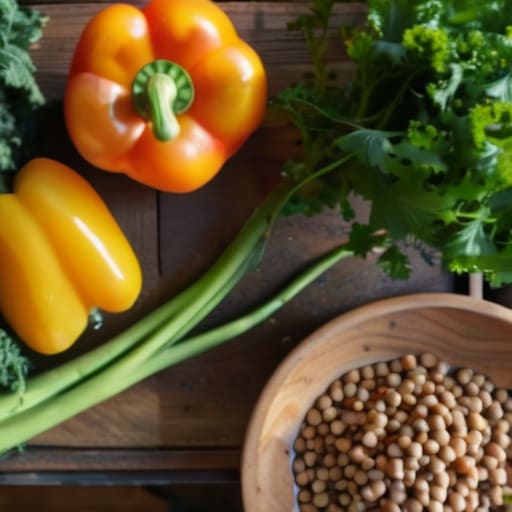
I’m so tired of seeing those “wellness” influencers claim that healthy eating on a budget requires a $15 jar of organic almond butter and a mountain of exotic superfoods. It’s exhausting, and frankly, it’s a lie. When I was working my first chaotic marketing job, I didn’t have the mental bandwidth—or the bank account—to source hand-harvested sea salt for my salads. I learned the hard way that if a nutrition plan feels like a second full-time job, it’s a bad plan. Realistically, most of us just want to feel fueled without staring at a grocery receipt that looks like a mortgage payment.
I’m not here to sell you on a lifestyle overhaul or a complicated meal-prep ritual that requires three hours of Sunday afternoon labor. Instead, I want to share the low-friction systems I actually use to keep my fridge stocked with real food without draining my savings. We’re going to focus on simple, repeatable wins—the kind of pantry staples and grocery habits that work even when you’re completely drained at 6:00 PM. No hype, no expensive gimmicks, just practical ways to eat well.
Building a Low Cost Nutritious Grocery List That Works
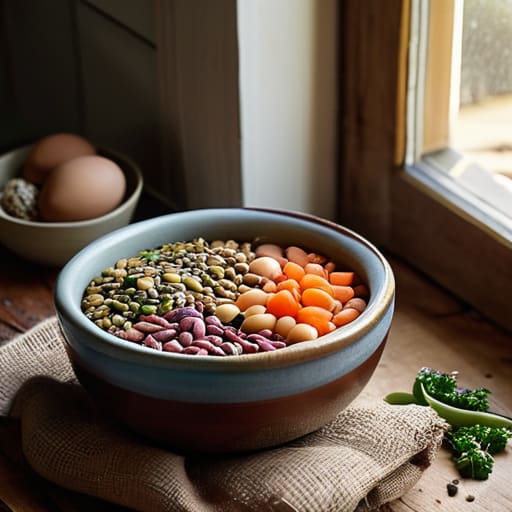
The mistake I used to make was walking into the store with a vague idea of “healthy” and coming out with a cart full of expensive, specialty items that sat in my fridge until they turned into science experiments. To actually make this work, you need a low cost nutritious grocery list built around a foundation of versatile items. I focus on affordable whole foods—think lentils, oats, eggs, and frozen vegetables—that can be repurposed across multiple meals. If you buy a bag of dried beans, you aren’t just buying one meal; you’re buying the base for a soup, a taco filling, or a side dish.
I’ve also learned that bulk buying healthy staples is the only way to keep my per-meal cost down without sacrificing quality. Things like quinoa, brown rice, and nuts are much cheaper when you aren’t paying for fancy individual packaging. However, the real trick is staying realistic. Don’t plan a menu that requires fifteen different spices you’ll only use once. Instead, pick five or six core ingredients and learn how to make them taste different through simple seasoning. It’s about minimizing food waste just as much as it is about saving money.
Bulk Buying Healthy Staples to Save Your Sanity
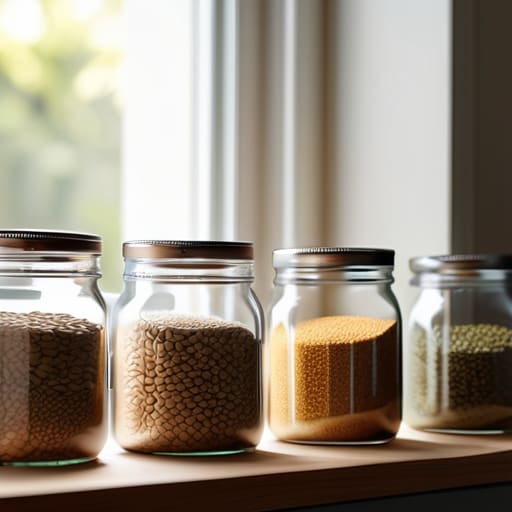
I used to think bulk buying was only for people with massive pantries and zero impulse control, but I’ve realized it’s actually one of the best ways to practice minimizing food waste. The trick isn’t buying everything in giant sacks; it’s about identifying the things you actually use every single week. I’m talking about the non-perishables that form the backbone of most meals—think dry lentils, quinoa, oats, or brown rice. When you buy these in larger quantities, the price per serving drops significantly, which makes a huge difference in my monthly budget.
The real win here is how much easier it makes meal prepping for savings on those hectic Tuesday nights. If I know I have a five-pound bag of oats and a large container of peanut butter in the cupboard, I don’t have to panic-order takeout because I “have nothing to eat.” It’s about building a foundation of affordable whole foods that are shelf-stable and reliable. Just make sure you have enough airtight containers to keep everything fresh; otherwise, you’re just spending money to watch your savings go stale.
Five Ways to Keep Your Kitchen Functional (Without Breaking the Bank)
- Embrace the frozen aisle. I used to think frozen veggies were “lesser,” but honestly, they’re a lifesaver when I’m too tired to chop fresh produce. They’re cheaper, they won’t rot in my crisper drawer after three days, and they’re just as nutritious.
- Master the “base ingredient” strategy. Instead of buying specific ingredients for one complex recipe, buy versatile staples like eggs, lentils, or rice. You can turn them into a stir-fry one night and a grain bowl the next, which keeps your grocery bill predictable.
- Stop buying pre-cut or pre-washed. It’s a convenience tax that adds up fast. If I have ten minutes of energy, I’ll chop my own onions or wash my greens. If I don’t, I’ll just use the frozen version. Either way, I’m not paying extra for someone else to do the prep work.
- Shop your own pantry before you head out. I’ve found that I often have half a jar of marinara or a bag of quinoa hiding in the back of a cupboard. Checking what I already own prevents that “double-buying” cycle that kills a budget.
- Keep a “low-effort” meal list. We all have those nights where the idea of cooking feels impossible. Keep a mental (or physical, like my planner) list of 3-4 meals that cost almost nothing and take under fifteen minutes—like avocado toast or a quick bean salad. It stops the expensive, last-minute takeout impulse.
The Bottom Line for Your Grocery Budget
Focus on building a foundation of versatile, cheap staples—like grains, beans, and frozen veggies—so you’re never staring at an empty pantry when you’re too tired to meal prep.
Don’t aim for a gourmet, zero-waste kitchen; just aim for a system where you can grab something decent and nutritious without breaking the bank or your spirit.
Buy in bulk when it makes sense for your space and your budget, but keep your list realistic so you aren’t overspending on things that will just sit in your cupboard.
The Low-Stress Approach to Eating Well
At the end of the day, eating well on a budget isn’t about mastering complex recipes or spending your entire Sunday meal prepping in a kitchen that looks like a crime scene. It’s really just about the fundamentals we’ve talked about: building a grocery list around versatile staples, leaning into the cost-savings of bulk buying, and choosing ingredients that don’t require a PhD to prepare. When you focus on these small, repeatable systems, you stop treating nutrition like a high-stakes project and start treating it like a manageable part of your routine. It’s about making sure that even on your most exhausted Tuesday, you have a few reliable, affordable options in your pantry so you aren’t forced to rely on expensive, processed takeout.
Please remember that you don’t have to get this perfect right out of the gate. Some weeks you’ll nail the grocery list and eat like a pro, and other weeks you’ll probably end up eating cereal for dinner because life just happened. That is perfectly okay. The goal isn’t to achieve some unrealistic standard of dietary perfection; the goal is to create a little more breathing room in your budget and your brain. Start with one small change this week—maybe just one bulk staple or one more intentional grocery trip—and let the rest follow. You’ve got this.
Frequently Asked Questions
How do I actually manage all that bulk food without it just sitting in my pantry and expiring?
The “bulk buy” trap is real. I used to buy a massive bag of lentils only to realize I’d forgotten they existed until they were stale. To avoid this, I use a “First In, First Out” system. When new staples arrive, move the older ones to the front of the shelf. Also, keep a small “use me now” bin in the pantry for items nearing their limit. It keeps the clutter—and the waste—at bay.
What do I do when I'm too exhausted after work to even attempt the "easy" meals I planned?
This is exactly where my “systems” fail and my “reality” kicks in. When I’m too drained to even boil water, I stop trying to “cook” and start assembling. I keep “emergency” non-perishables like canned beans, tuna, or frozen veggies on hand. My go-to is a bowl of Greek yogurt with fruit or a quick quesadilla. Don’t aim for a recipe; just aim for fuel that requires zero brainpower.
Are there specific cheap brands or store labels that are actually decent, or is it better to just stick to the basics?
I’ve learned the hard way that “cheap” doesn’t always mean “bad,” but it also doesn’t mean “identical.” Honestly, I usually stick to store brands for the boring stuff—think canned beans, oats, or frozen veggies. They’re almost always the same as the name brands, just without the marketing tax. However, I’m picky about things like olive oil or spices. If the store brand smells like nothing, it’s not worth the “savings.” Stick to basics for staples, but don’t be afraid to spend an extra dollar on the stuff that actually carries the flavor.


I believe that life doesn't need to be optimized to perfection, just made slightly more manageable. My goal is to help you find systems that actually work when you're tired, not just when you're motivated. Let's focus on small, repeatable wins that clear the path for what actually matters.