Delicious Ways to Sneak More Vegetables Into Your Diet
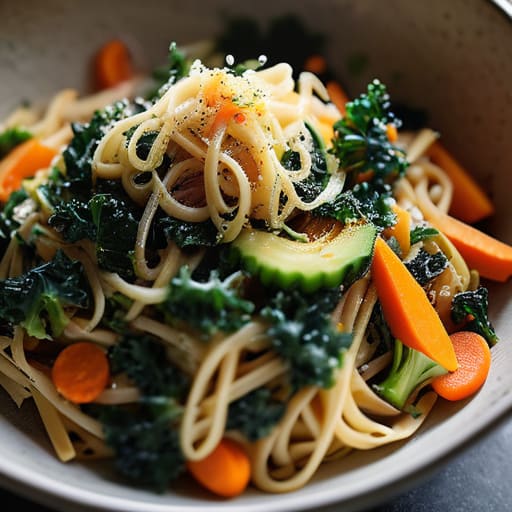
I’m so tired of seeing those “aesthetic” wellness influencers post photos of perfectly curated, $25 kale salads that look more like art installations than actual meals. It’s exhausting, and frankly, it’s a lie. Most of us aren’t looking for a lifestyle overhaul or a way to spend our entire paycheck at a boutique organic market; we’re just trying to figure out how to eat more vegetables without it feeling like a second job. When I was working those high-stress marketing roles, I didn’t have the mental bandwidth for elaborate meal prep or deconstructing every ingredient. I just wanted something that wouldn’t make me crash by 3:00 PM.
I’m not here to sell you on a “green revolution” or a complicated detox plan. Instead, I want to share the low-friction systems I’ve actually used to get more greens into my life when I’m running on fumes. We’re going to focus on small, repeatable wins—like the magic of frozen veggies and the “handful rule”—that work even when you’re tired. This is about making nutrition manageable, not perfect.
Hidden Ways to Add Greens to Your Favorite Comfort Foods
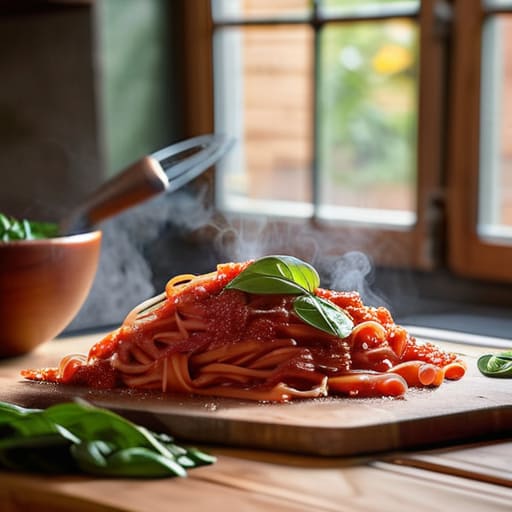
I’ve never been a fan of the “all or nothing” approach to eating. If I tell myself I have to eat a giant, raw kale salad every night, I’ll end up ordering takeout by Wednesday. Instead, I look for hidden ways to add greens to the meals I’m already craving. For instance, if I’m making a standard jarred marinara sauce for pasta, I’ll toss in a few handfuls of baby spinach at the very end. It wilts down to almost nothing, but it adds a boost of nutrients without changing the flavor profile of the meal.
The same logic applies to my go-to comfort foods, like chili or slow-cooked stews. I’ve started finely chopping zucchini or mushrooms and stirring them into the base; they basically melt away, making it a much easier way of increasing fiber intake naturally without feeling like I’m eating a bowl of grass. Even my morning smoothies get a sneaky upgrade with a scoop of frozen cauliflower or spinach. It’s not about being a gourmet chef; it’s just about making the food you already love work a little harder for you.
Easy Vegetable Recipes for Beginners Who Are Too Tired to Cook
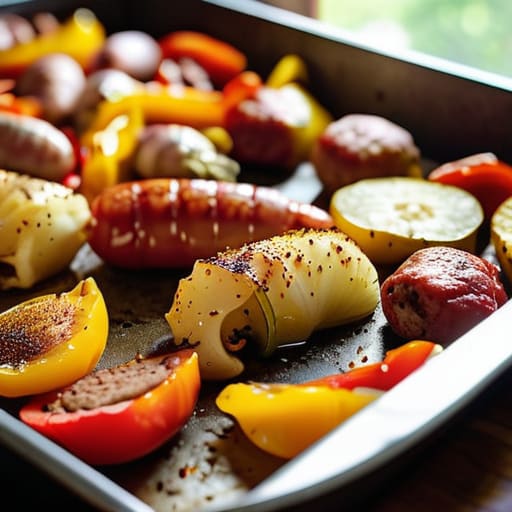
Look, if you’re staring at a pile of raw broccoli and feeling like it’s an insurmountable mountain, stop. You don’t need to be a chef to get some nutrients in. My go-to move for those nights when my brain is fried is the “Sheet Pan Method.” I just toss some pre-cut cauliflower, bell peppers, and sausages onto a tray with olive oil and salt, and let the oven do the heavy lifting. It’s one of those easy vegetable recipes for beginners that requires almost zero mental energy, yet it feels like a real meal.
Another lifesaver is the “Bowl Strategy.” I keep a bag of frozen mixed veggies in the freezer at all times. When I’m too tired to even chop an onion, I just microwave a bowl of rice, throw in a handful of those frozen veggies, and top it with a fried egg or some jarred salsa. It’s a low-effort way of increasing fiber intake naturally without the stress of a complex recipe. These aren’t gourmet, but they keep me from ordering takeout every single night, and honestly, that’s a win in my book.
Low-Friction Habits for the Non-Salad Lover
- Stop buying whole heads of lettuce. Unless you actually enjoy the ritual of chopping, you’re just going to watch that bag of greens turn into a science experiment in your crisper drawer. Buy the pre-washed, pre-chopped stuff. It’s a little more expensive, but it’s cheaper than throwing money in the trash.
- Keep a “emergency” bag of frozen veggies in the freezer at all times. Frozen peas, corn, or broccoli don’t go bad, and they don’t require any prep work. If you’re staring at a bowl of plain pasta or a can of soup, just throw a handful in. It takes thirty seconds and counts as a win.
- Use the “add-on” rule rather than the “replacement” rule. Don’t try to force yourself to eat a giant kale salad if you’re craving tacos. Just finely chop some peppers or onions and throw them in with the meat. You’re still eating your comfort food, but you’ve layered in some nutrients without the mental effort of a lifestyle overhaul.
- Prep your “easy” veggies on Sunday, even if you don’t meal prep. I don’t do full-blown meal prep—it’s too much work—but I will slice up a cucumber or wash some carrots while I’m waiting for my coffee to brew. If the food is already bite-sized and ready to go, I’m actually going to eat it when I’m hungry.
- Lean on sauces and seasonings to do the heavy lifting. If you hate the taste of steamed broccoli, stop eating plain steamed broccoli. Roast it with olive oil and garlic, or toss it in a bit of sriracha or lemon juice. If it tastes good, you’ll actually want to finish the portion.
The Low-Effort Strategy
Stop aiming for the perfect, gourmet salad; focus on “stealth health” by tossing frozen or pre-cut veggies into the meals you’re already making.
Build a pantry of low-friction staples—like canned beans, frozen spinach, or jarred pesto—so you aren’t staring at an empty fridge when you’re too tired to grocery shop.
Prioritize consistency over intensity; a handful of greens added to a pasta sauce counts just as much as a massive vegetable feast.
The Low-Stakes Approach to Eating Better
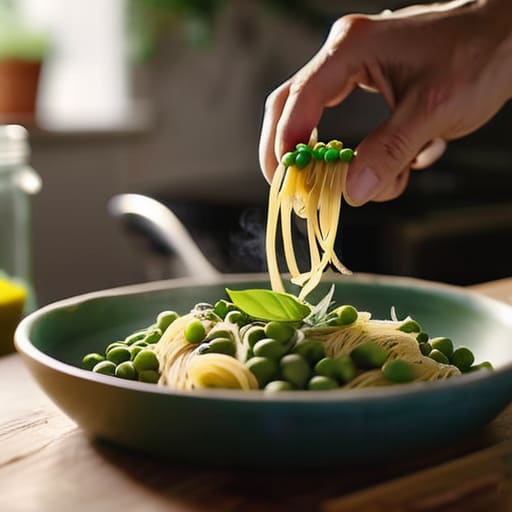
At the end of the day, getting more vegetables into your diet isn’t about a radical dietary overhaul or spending your entire Sunday meal prepping elaborate, colorful Buddha bowls. It’s about those tiny, almost invisible additions we talked about—the handful of spinach in your morning smoothie, the frozen peas tossed into your pasta, or the pre-cut veggie tray you keep in the fridge for when you’re too drained to chop anything. If you can focus on layering nutrition into the meals you already love, you’ve already won. You don’t need a perfect menu; you just need a few reliable, low-effort wins that work even on your most exhausted Tuesdays.
Please, give yourself permission to be imperfect. Some days you’ll eat a massive salad, and other days you’ll survive on takeout and toast, and that is perfectly okay. The goal isn’t to reach some unattainable standard of wellness, but to build a rhythm that feels sustainable for your actual, messy life. Don’t let the pressure of “doing it right” stop you from doing it at all. Just pick one small thing you can do tomorrow—one single, easy addition—and start there. Small shifts are much easier to maintain than giant leaps, and they’re usually the ones that actually stick.
Frequently Asked Questions
How do I stop feeling like I'm eating a "sad salad" every single day?
The “sad salad” usually happens because you’re just eating leaves and sadness. To fix it, stop treating salad like a side dish and start treating it like a bowl. You need texture and fat to actually feel full. Add something crunchy (toasted seeds or nuts), something creamy (avocado or feta), and a real protein. If it’s not satisfying, you’ll just end up snacking on crackers an hour later. Build for satiety, not just volume.
Are there any ways to use frozen or canned veggies that don't taste like they came out of a tin?
Honestly, the “tinny” taste usually comes from the liquid they’re sitting in. If you’re using canned, drain them and give them a quick rinse under cold water—it makes a massive difference. For frozen, skip the microwave; it just makes them mushy. Instead, toss them directly into a hot pan with a little olive oil or butter. Getting a bit of a sear or some color on them completely changes the texture and makes them feel intentional, not like an afterthought.
What can I do when I have zero energy to prep anything, even if the recipe says it's "easy"?
When “easy” recipes still feel like too much, stop trying to cook. This is where my “frozen and pre-washed” rule saves me. Grab a bag of frozen peas or steam-in-bag broccoli and just dump it into whatever you’re already eating—ramen, pasta, or even a piece of toast. No chopping, no pans, no cleanup. If you can’t even do that, a handful of baby spinach in a smoothie counts as a win. Just keep it low-friction.


I believe that life doesn't need to be optimized to perfection, just made slightly more manageable. My goal is to help you find systems that actually work when you're tired, not just when you're motivated. Let's focus on small, repeatable wins that clear the path for what actually matters.