The Best Yoga Poses for Absolute Beginners
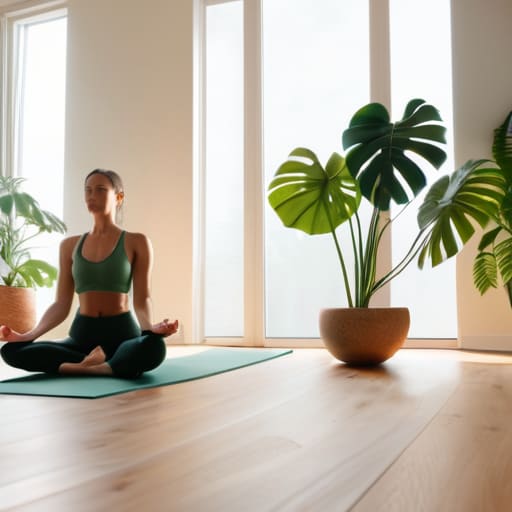
I used to think yoga was just a way for people to spend $120 on high-end leggings and then film themselves doing a handstand in a sun-drenched studio. If you’re anything like me, the idea of starting yoga for beginners feels less like “finding your zen” and more like a high-stakes performance you aren’t prepared for. I’ve spent enough years managing chaotic workflows and tight schedules to know that most wellness trends are just extra things to manage, and the last thing I need—or you need—is a complicated ritual that requires a perfect body and a pristine living room.
I’m not here to sell you on enlightenment or a complete lifestyle overhaul. Instead, I want to share the low-friction, realistic approach I actually use when my back is stiff from sitting at my desk all day. This guide is about the small, repeatable wins—the specific, manageable movements that help you feel slightly less like a crumpled piece of paper. We’re going to skip the fluff and focus on a version of yoga that actually works when you’re tired, busy, or just plain unmotivated.
A Daily Yoga Routine for Beginners That Actually Sticks
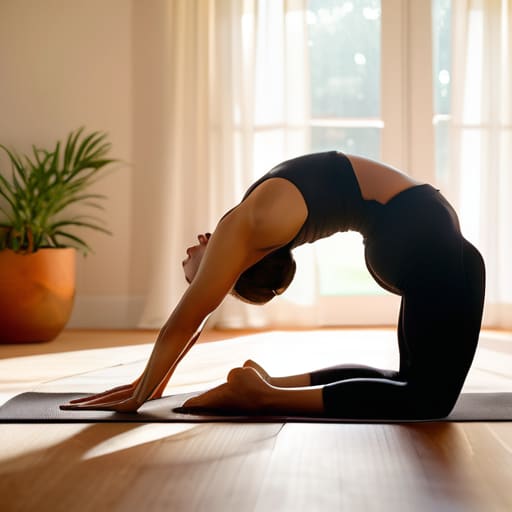
The trick to making a daily yoga routine for beginners actually stick is to stop treating it like a grueling workout and start treating it like a reset button. If you try to follow a high-intensity flow right out of the gate, you’ll likely quit by Wednesday because you’re too exhausted. Instead, I aim for a sequence that focuses on gentle yoga stretches I can do even when my brain is fried from back-to-back Zoom calls. Start with something simple like Child’s Pose or a seated forward fold—moves that feel more like a sigh of relief than a chore.
You don’t need a studio-grade setup to make this work; your essential yoga equipment can literally just be a decent mat and maybe a couple of thick books to use as blocks if you can’t reach the floor. I’ve found that pairing a few basic yoga poses for flexibility with some simple yoga breathing techniques makes the whole process feel less like “exercise” and more like intentional downtime. The goal isn’t to look like a pretzel; it’s just to move enough so that you don’t feel like a human knot by 5:00 PM.
Essential Yoga Equipment You Dont Need to Buy Yet
Look, I know the marketing for yoga makes it feel like you need a $120 cork mat, a set of sustainable linen blocks, and a curated collection of aesthetic bolsters just to get started. Honestly? Please don’t do that. When I first started trying to build a daily yoga routine for beginners, I felt this weird pressure to look the part, but most of that gear is just expensive friction. You don’t need a dedicated studio setup to see the mindfulness and yoga benefits in your actual life.
If you’re looking for the bare minimum, a decent floor surface is really all you need. If you have hardwood, grab a thick towel to cushion your knees, or just use a rug. If your joints feel a bit sensitive while trying out new yoga poses for flexibility, grab a couple of thick hardcover books from your shelf to act as makeshift blocks. They do the exact same job as the fancy versions. The goal here is to lower the barrier to entry, not to create a new shopping list that makes you feel guilty for not being “ready” yet.
Five ways to actually make yoga part of your life (without the burnout)
- Forget the “perfect” pose. If you’re in a downward dog and your hamstrings feel like they’re about to snap, just bend your knees. Yoga is about what your body needs in the moment, not about looking like a filtered Instagram post.
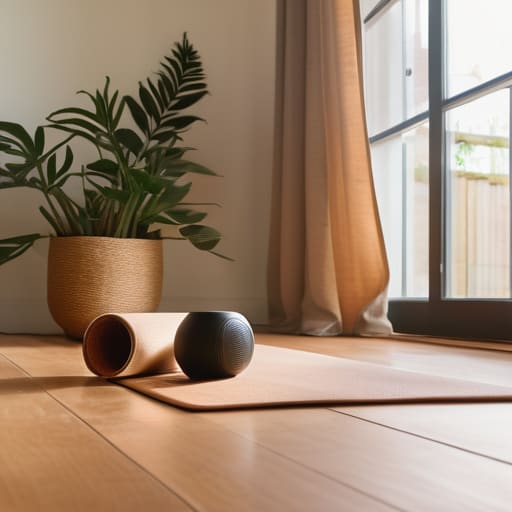
- Keep your mat visible. I’ve learned the hard way that if my mat is tucked deep in a closet, it doesn’t exist. If it’s unrolled or leaning against a wall in my living room, I’m ten times more likely to actually use it.
- Stop aiming for thirty minutes. On the days when work is draining and my brain is fried, a thirty-minute flow feels like a mountain I can’t climb. Aim for five or ten minutes instead. A tiny bit of movement is always better than nothing at all.
- Don’t get caught in the “gear trap.” You don’t need the $120 sustainable cork mat or the designer leggings to start. Use a towel on the floor if you have to. The goal is the movement, not the aesthetic.
- Use YouTube as your guide, but don’t overthink it. There are a million instructors out there; find one person whose voice doesn’t grate on your nerves and stick with them for a week. It removes the decision fatigue of “what should I do today?”
The Low-Friction Approach to Starting
Forget about the perfect pose or the aesthetic studio setup; your only real goal is to show up for five minutes, even if you’re just stretching on your rug in pajamas.
Don’t let a lack of expensive gear stop you—if you have a non-slip surface and a bit of space, you have everything you need to get moving.
Build a routine that works for your tired self, not your “ideal” self, by choosing moves that feel restorative rather than punishing.
Final Thoughts for the Real World
Look, I know how it goes. You start with this grand vision of being a person who flows through sun salutations every morning at 6:00 AM, but then life happens—emails pile up, the laundry stays in the dryer for three days, and suddenly your yoga mat is just a dust collector in the corner. The takeaway here isn’t that you need to master every pose or own the most expensive cork mat on the market. It’s about the fact that you can start small. Whether it’s a five-minute stretch on your living room floor or just showing up for one session a week, the goal is simply to build a habit that survives your bad days, not just your best ones.
If you’re feeling intimidated by the idea of “doing yoga right,” please just let that go. You don’t need to be flexible, you don’t need to be silent, and you certainly don’t need to be perfect. Yoga isn’t another item on your to-do list to be optimized or checked off; it’s a way to reclaim a little bit of space for yourself in a world that constantly demands your attention. So, just roll out that mat—even if you only stay on it for ten minutes—and give yourself permission to be a beginner. That’s where the actual progress happens.
Frequently Asked Questions
How much time do I actually need to commit each day to see any kind of benefit?
Look, if you’re waiting for a free hour in your schedule to start, you’re never going to do it. Realistically? Ten minutes is plenty. I’ve learned that a ten-minute stretch when I’m feeling sluggish does more for my brain than a sixty-minute session I only manage once a month. Consistency beats intensity every single time. Just aim for ten minutes of movement—even if it’s just a few stretches while your coffee brews.
What should I do if I feel pain during a pose—is it just "working through it" or a sign to stop?
Listen, I’m all for pushing through a little discomfort to see progress, but there is a massive difference between a “good” stretch and actual pain. If you feel a sharp, stabbing, or pinching sensation, stop immediately. That’s your body’s alarm system, not a challenge to overcome. Stick to the dull, heavy tension of a muscle working; if it feels electric or sudden, back off. Your goal is longevity, not an injury.
Do I really need to be flexible to start, or is that a bit of a myth?
Honestly, it’s one of the biggest myths out there. I used to think I needed to be able to touch my toes before I even stepped on a mat, but that’s backwards. You don’t get flexible to do yoga; you do yoga to become flexible. If you can breathe and move your limbs, you’re doing it right. Don’t let a stiff hamstrings stop you from starting. Just show up.


I believe that life doesn't need to be optimized to perfection, just made slightly more manageable. My goal is to help you find systems that actually work when you're tired, not just when you're motivated. Let's focus on small, repeatable wins that clear the path for what actually matters.