How to Keep a Tidy House Even When You’re Busy

I’m going to say something that might annoy the productivity gurus: you don’t need a $500 label maker or a weekend-long “deep clean” ritual to figure out how to keep your house tidy. For years, I fell for the myth that tidiness required a massive, sweeping overhaul of my entire life, usually right when I had the least amount of energy to actually do it. I’d spend three hours organizing a junk drawer only to feel completely burnt out by dinner, leaving my kitchen a disaster zone anyway. It’s exhausting to chase a standard of perfection that doesn’t actually account for the fact that you have a job, a social life, and a finite amount of mental bandwidth.
Instead, I want to talk about the systems that actually hold up when you’re tired, not just when you’re feeling motivated. I’m not here to give you a list of aesthetic lifestyle hacks; I’m sharing the small, repeatable wins I’ve used to keep my own apartment functional without losing my mind. We’re going to focus on low-friction habits that make your space manageable, so you can stop fighting your environment and start actually living in it.
Decluttering Techniques for Beginners Who Are Just Tired
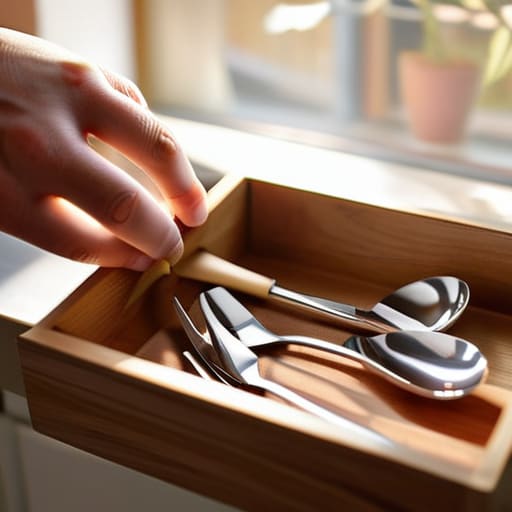
If you try to tackle the entire guest room or the kitchen pantry in one go, you’re going to burn out by 4:00 PM. When I’m feeling completely drained, I stop looking at the big picture and switch to “micro-decluttering.” Instead of a massive overhaul, I pick one single drawer or even just one shelf. This is one of those decluttering techniques for beginners that actually works because it doesn’t require a massive burst of willpower. You aren’t reorganizing your life; you’re just moving five things that don’t belong into a trash bag or a “relocate” basket.
Another trick I swear by is the “Five-Minute Surface Sweep.” Set a timer on my phone, grab a basket, and clear only the flat surfaces—the coffee table, the kitchen island, or my desk. Getting these visual anchors clear helps lower my cortisol levels almost immediately. It’s not about achieving a showroom-ready aesthetic; it’s about creating a little breathing room so your eyes have somewhere to rest. These small, repeatable wins are much more sustainable than trying to force a lifestyle change when you’re already running on empty.
Minimalist Home Organization Tips for Real Life
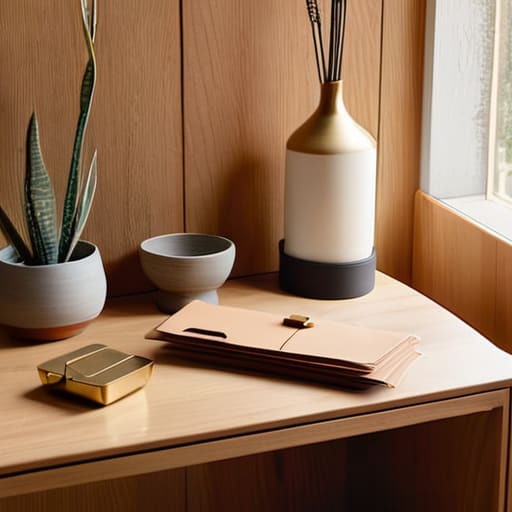
When we talk about minimalist home organization tips, I think we often get caught up in the aesthetic of those perfectly curated, beige-toned living rooms on Instagram. But for me, minimalism isn’t about owning nothing; it’s about making sure everything you do own actually has a place to live. I’ve found that the most effective way to do this is by assigning a “home” to every single item. If your keys, mail, and chargers don’t have a dedicated landing pad, they will inevitably end up scattered across the kitchen island. It’s not about being a perfectionist; it’s just about reducing the visual noise that makes you feel stressed the second you walk through the door.
Another thing that has saved my sanity is focusing on “functional zones” rather than trying to organize an entire room at once. Instead of tackling the whole living room, I just focus on the coffee table or the entryway. Once those small areas are clear, it feels much easier to maintain a clutter-free living space because you aren’t constantly fighting against a sea of random objects. It’s about creating small, repeatable wins that keep the chaos at bay without requiring a massive burst of energy you probably don’t have.
Small Wins: My Low-Stakes Rules for Staying on Top of the Mess
- The “One-Touch” Rule. If you pick something up, don’t put it down in a “temporary” spot. If I take my mail out of the bag, I either file it, bin it, or put it on the desk immediately. Putting it on the kitchen counter feels easier in the moment, but it just creates a new task for my future, tired self.
- Set a “Reset Timer” for ten minutes. I don’t do marathon cleaning sessions; they’re exhausting and unsustainable. Instead, I set a timer before I sit down for the evening. I move fast, clear the coffee table, and load the dishwasher. When the timer dings, I’m done. It turns tidying into a sprint rather than a chore.
- Use the “Don’t Leave a Room Empty-Handed” trick. This is a lifesaver for my apartment. If I’m heading from the living room to the kitchen to grab water, I scan for anything that belongs in the kitchen—a stray mug, a wrapper, a piece of mail. It’s passive tidying that doesn’t feel like actual work.
- Designate a “Landing Strip” by the door. I used to let my keys, wallet, and bag migrate around the house, which always led to a frantic search right when I was trying to leave. Now, I have one specific tray. It’s not about being perfect; it’s about knowing exactly where the essentials live so I don’t start my day with unnecessary friction.
- The “Sink Zero” mentality. I’ve learned that a sink full of dishes is the visual cue that makes my whole kitchen feel chaotic. Even if I don’t have the energy to scrub the pans, just making sure the sink is empty and wiped down makes a massive difference in my mental state when I walk in the next morning.
The Bottom Line for a Manageable Home
Forget the “all or nothing” mindset; if you can only clear one countertop or one drawer today, that counts as a win.
Build systems that work for your lowest-energy self, not your most motivated self, by keeping things easy to put away.
Focus on maintaining clear surfaces rather than chasing a perfect, showroom-ready house—it’s much easier to clean a flat surface than a pile of clutter.
Finding Your Rhythm
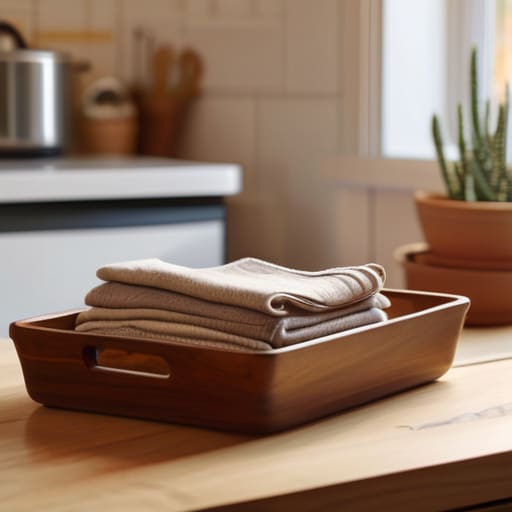
At the end of the day, keeping a tidy house isn’t about achieving some Pinterest-perfect aesthetic or maintaining a sterile environment. It’s really just about the small, practical systems we’ve talked about—whether that’s the low-energy surface clearing or choosing minimalist storage that actually makes sense for your daily flow. The goal isn’t to spend your entire weekend scrubbing baseboards; it’s to implement small, repeatable wins that prevent the chaos from piling up in the first place. If you can manage to clear one countertop or put away one load of laundry when you’re exhausted, you’ve already won. Focus on systems that work when you’re tired, not just when you have a burst of frantic energy.
Please remember to be kind to yourself on the days when nothing goes according to plan. Some weeks, the dishes will stay in the sink longer than you’d like, and some months, the clutter will win a temporary battle. That is completely fine. Your home is meant to be a place where you live and breathe, not a museum that requires constant curation. If you can just aim to make your space slightly more manageable each day, you’re doing enough. Let’s stop chasing perfection and start focusing on creating a space that actually supports your life, rather than one that adds more stress to it.
Frequently Asked Questions
How do I stop the clutter from just coming right back the moment I finish cleaning?
The reason the clutter returns is usually because we’re “cleaning” instead of “resetting.” Cleaning is a deep dive; resetting is just returning things to their home. I stopped fighting the tide by implementing a “one-touch rule” for small stuff—if I pick up a mail envelope, I don’t put it on the counter; I either file it or toss it immediately. Don’t aim for perfection; just focus on closing the loops before you sit down for the night.
I don't have hours to spend on this; what are the absolute bare minimum tasks I should do daily to keep things from spiraling?
Look, if you only have ten minutes, forget the deep cleaning. Just hit the “Big Three”: clear the kitchen counters, load the dishwasher, and do one load of laundry. That’s it. If the surfaces are clear and the sink is empty, the visual noise drops significantly, which stops that feeling of drowning. These are my non-negotiables for when my brain is fried but I refuse to let the apartment spiral.
Is it actually worth buying all those fancy organizational bins, or am I just adding more stuff to manage?
Honestly? Most of the time, no. I’ve fallen into the “aesthetic bin trap” before, thinking a clear acrylic drawer would magically fix my chaos. It didn’t; it just gave me more plastic to clean and more things to move around. Only buy them if you have a specific, recurring friction point—like loose charging cables or a junk drawer that’s actually driving you crazy. Otherwise, use what you have. Don’t let the solution become another chore.


I believe that life doesn't need to be optimized to perfection, just made slightly more manageable. My goal is to help you find systems that actually work when you're tired, not just when you're motivated. Let's focus on small, repeatable wins that clear the path for what actually matters.