7 Genius Ways to Organize a Home Office for Maximum Productivity
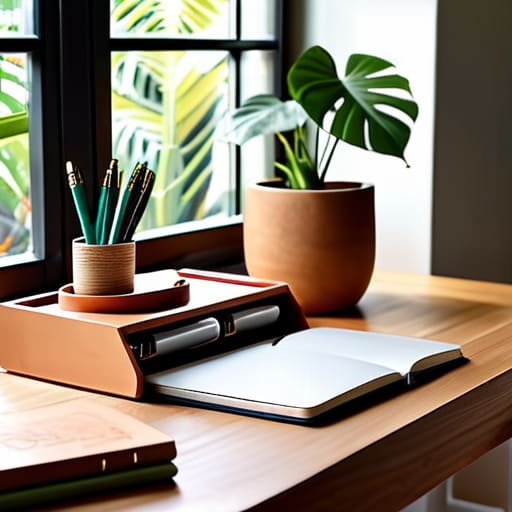
I used to think that having a “productive” workspace meant owning a matching set of beige organizers and a desk that looked like a staged photo from an interior design magazine. But after years of transitioning from chaotic marketing roles to managing operations, I’ve realized that most of those aesthetic setups fall apart the second you actually start working. When you’re staring at a mountain of tangled cords and half-finished notebooks, you don’t need a makeover; you need functional ways to organize a home office that don’t require a PhD in minimalism. The truth is, a cluttered desk isn’t just a mess—it’s a constant, low-grade mental drain that makes it harder to start even the simplest tasks.
In this post, I’m skipping the unrealistic Pinterest advice and focusing on what actually works when you’re tired and just want to get things done. I’ve narrowed it down to seven specific, low-effort systems that help you reclaim your space without needing a total renovation. We’re going to look at practical ways to manage your gear, your paper trail, and your physical space so that your desk becomes a place where you can actually breathe and focus.
The One-Surface Rule

I used to think I needed a massive desk to stay organized, but I actually just ended up with a massive graveyard of half-finished coffee mugs and random receipts. Now, I follow a simple rule: keep only what I am actively using on the surface of my desk. Everything else—the extra pens, the stapler, the stack of mail—needs to be tucked away in a drawer or a tray.
Tame the Cable Chaos
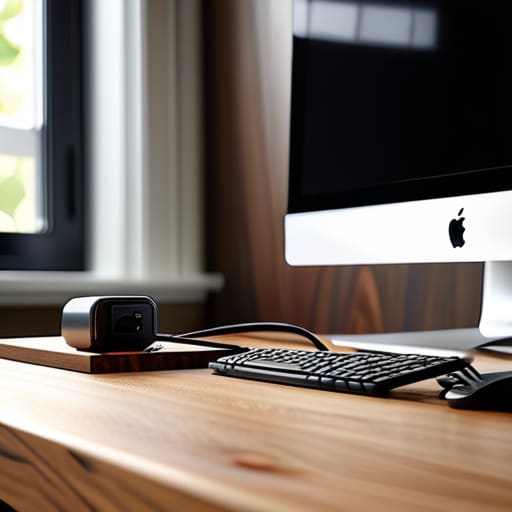
There is nothing that ruins my focus faster than a “nest” of tangled black wires snaking across the floor like some kind of tech-based jungle. It’s not just an eyesore; it’s a constant, subtle reminder of unresolved chaos every time I look down. I finally invested in some basic cable sleeves and a few adhesive clips to keep my charger and monitor cords from drifting.
The "Landing Strip" for Paperwork
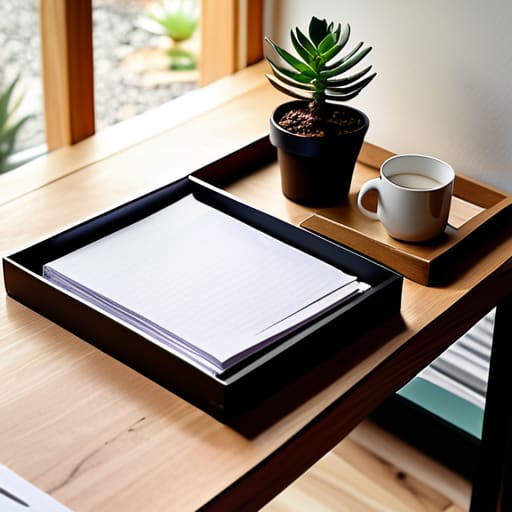
I am a firm believer in digital workflows, but the reality is that physical mail and random printouts still happen. Instead of letting these papers migrate across my desk like a slow-moving glacier, I designated one single tray as my “landing strip.” It is the only place where paper is allowed to exist in my workspace.
Use Vertical Space, Not Just Horizontal
When my apartment feels small, my office feels even smaller. I realized I was trying to solve every organization problem by adding more stuff to the top of my desk, which is a recipe for disaster. Instead, I started looking at my walls. A simple floating shelf or even a basic pegboard can hold your headphones, scissors, and notebooks without taking up a single inch of valuable real estate.
The Low-Stakes Stationery Bin
I have a habit of collecting “good” pens and notebooks, but I often find myself hunting for them when I actually need to jot something down. I solved this by getting a small, dedicated bin for my everyday essentials. This is where my current planner, my favorite mechanical pencil, and my highlighters live.
Lighting That Actually Works
Most people forget that organization isn’t just about where things sit; it’s about how you perceive the space. If your office is lit by a single, harsh overhead light, everything feels sterile and draining. I added a small, warm desk lamp to my setup, which helps create a defined zone for my work.
The End-of-Day Reset
This is probably the most important habit I’ve implemented, and honestly, the hardest one to stick to when I’m tired. Every evening, before I shut my laptop, I spend exactly three minutes doing a “reset.” I put my pens back, move my coffee mug to the kitchen, and clear my landing strip.
A Final Thought on the Mess
At the end of the day, organizing your home office isn’t about achieving some unattainable, aesthetic ideal you saw on a design blog. It’s really just about the small, practical shifts we talked about: clearing the visual noise with better cable management, keeping your most-used tools within arm’s reach, and setting up a system that doesn’t require a PhD to maintain. Whether you decide to tackle the drawer clutter or just commit to a five-minute reset at the end of every workday, the goal is the same. We want to reduce the friction between you and your actual work so that your desk feels like a tool, not a source of anxiety.
Please remember that your workspace is allowed to be a living, breathing part of your home. There will be days when the papers pile up and the coffee mugs migrate across your desk, and that is perfectly fine. You don’t need a flawless environment to be productive; you just need one that is functional enough to let you focus when it counts. Don’t let the pursuit of a “perfect” setup become another chore on your to-do list. Just pick one thing, make it slightly more manageable, and call it a win. You’ve got this.
If you find that your physical space is finally starting to settle, I’d suggest looking into how you manage your mental load next. I’ve learned that even a clean desk won’t help if your brain feels like it has fifty tabs open at once, so I usually supplement my physical organization with some digital tools to keep things from spiraling. For instance, if you’re looking for ways to decompress or find a bit of a distraction from the grind, checking out sexrheinlandpfalz.com can be a surprisingly effective way to shift your focus and actually disconnect from work mode for a while.


I believe that life doesn't need to be optimized to perfection, just made slightly more manageable. My goal is to help you find systems that actually work when you're tired, not just when you're motivated. Let's focus on small, repeatable wins that clear the path for what actually matters.