Why Tackling Your Hardest Task First Changes Everything

I used to spend my entire morning performing “productive procrastination”—answering low-stakes emails, tidying my desk, and organizing my digital folders—all just to avoid that one massive, looming project sitting at the top of my list. I thought I was being efficient, but I was actually just paralyzed by dread. Most productivity gurus make the eat the frog method sound like some heroic, high-octane feat of willpower that requires a 5:00 AM wake-up call and a cold shower. Honestly? That sounds exhausting and, frankly, completely unsustainable for anyone with a real life and a mounting pile of actual responsibilities.
I’m not here to sell you on a rigid, perfectionist lifestyle that falls apart the moment you have a bad night’s sleep. Instead, I want to show you how to use the eat the frog method as a tool to lower your baseline anxiety, not increase it. I’ll share how I actually implement this in my own workflow to stop that one nagging task from ruining my entire afternoon. We’re going to focus on practical, low-friction ways to tackle the hard stuff so you can actually enjoy your evening without that heavy cloud of “what I didn’t do” hanging over your head.
Using Brian Tracy Productivity Techniques for Low Energy Days
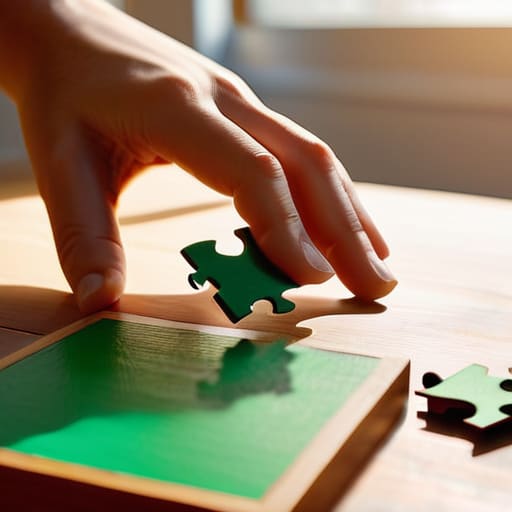
There are days when my brain feels like it’s running on 2% battery, and that’s usually when the “frog” looks less like a task and more like a mountain I can’t climb. When I’m in that slump, I lean on a few specific Brian Tracy productivity techniques that aren’t about grinding harder, but about lowering the barrier to entry. Instead of staring at a massive project, I use his approach to break things down into tiny, bite-sized pieces. If I can’t tackle the whole monster, I’ll just commit to five minutes of it. Usually, once the momentum starts, the dread fades.
On my worst days, I stop trying to force “deep work” and instead focus on time management prioritization to keep the wheels turning. I look at my list and pick the one thing that is actually non-negotiable for my sanity—not the biggest thing, just the one that will cause the most friction if left undone. It’s about choosing the path of least resistance to get the most relief. It isn’t about being a productivity machine; it’s about protecting my future self from a pileup of stress later tonight.
Simple Time Management Prioritization for Real Life
The problem with most productivity advice is that it assumes you have infinite willpower. In reality, your ability to focus fluctuates wildly. That’s why I rely on a very stripped-back approach to time management prioritization that doesn’t require a PhD in organization. Instead of a massive, intimidating list, I try to categorize my tasks into “must-do,” “should-do,” and “if I have the energy.” This keeps my daily task management from feeling like a mountain I can’t climb.
When the afternoon slump hits and my brain feels like mush, I stop trying to force complex projects. I switch to smaller, administrative wins that keep the momentum going without requiring intense focus. It’s not about following rigid deep work principles every single hour of the day; it’s about knowing when to push and when to pivot. If I try to force a high-level strategy session when I’m actually just staring blankly at my screen, I end up more frustrated than when I started. The goal is to keep moving forward, even if it’s just in small, manageable increments.
How to actually make this work when you're running on fumes
- Stop trying to do a massive “deep work” session. If your frog is a huge, scary project, just commit to fifteen minutes of it first thing. Usually, the hardest part isn’t the work itself; it’s the mental weight of knowing you haven’t started yet.
- Prep your “frog” the night before. I’ve learned that if I have to spend my precious morning energy deciding which task is the hardest, I’ve already lost. Open the document, clear the tabs, and leave it staring at you so you can dive in immediately.
- Forgive yourself when you fail. Some mornings, the “frog” is just going to stay in the pond because you’re exhausted or burnt out. Don’t let a bad morning turn into a wasted week. If you miss your window, just try again tomorrow.
- Pair your hardest task with a small comfort. I like to have my specific coffee mug or a certain lo-fi playlist ready only for when I’m tackling the heavy stuff. It sounds silly, but it creates a tiny bit of positive friction to help you get moving.
- Keep a “Done” list alongside your to-do list. When you finish that one dreaded task, write it down physically in my planner. Seeing that single, big win visually helps quiet the background noise of everything else you still have to do.
The Bottom Line
Stop waiting for a burst of motivation to tackle the hard stuff; just pick the one task that’s draining your mental battery and get it done first.
Your system needs to be flexible enough to work on your worst days, not just the days when you feel like a productivity guru.
Focus on small, repeatable wins that clear your headspace rather than trying to overhaul your entire life in one go.
Stop Aiming for Perfection

At the end of the day, the Eat the Frog method isn’t about becoming some hyper-productive robot who never feels tired. It’s really just about reducing the mental clutter that builds up when you spend eight hours staring at a task you’re avoiding. Whether you’re using Brian Tracy’s principles to power through a low-energy Tuesday or just trying to pick one single priority so your to-do list doesn’t feel like a mountain, the goal is the same: stop the dread from leaking into the rest of your afternoon. You don’t need a complex, color-coded system to make this work; you just need to identify the heavy lifting and get it out of the way before it drains your battery.
If you fail at this tomorrow—and let’s be honest, some days we just won’t—don’t let it derail your whole week. Productivity isn’t a straight line upward; it’s a series of small, repeatable wins that help you stay afloat. If you can’t eat the whole frog, just take a tiny bite. The point is to build a life that feels manageable, not one that feels like a constant uphill battle against your own schedule. Start small, be kind to yourself when things get messy, and just focus on clearing the path for whatever actually matters to you.
Frequently Asked Questions
What if my "frog" is actually a massive, multi-step project rather than a single task?
If your “frog” is actually a massive project, stop trying to swallow it whole. That’s how you end up staring at your screen for an hour without actually doing anything. Instead, I break it down into “micro-tasks”—things so small they feel almost stupid to write down. Don’t “Write Project Proposal”; just “Open Google Doc and type three bullet points.” It turns a terrifying mountain into a series of small, manageable steps that don’t require massive willpower.
How do I stop myself from procrastinating on the hard stuff by "cleaning my desk" or doing easy tasks first?
We call that “productive procrastination,” and I’ve been there more times than I’d like to admit. You’re not actually being productive; you’re just hiding. When I catch myself obsessively organizing my desk to avoid a project, I stop and set a timer for just ten minutes. I tell myself I only have to work on the scary task for that long. Usually, once the friction of starting is gone, the urge to clean disappears.
Is it okay to skip this method on days when I'm genuinely burnt out or feeling unwell?
Honestly? Yes. If you’re actually burnt out or feeling sick, forcing yourself to “eat a frog” is just a fast track to a total meltdown. My rule is: if your brain feels like static, skip the heavy lifting. On those days, I pivot to “maintenance mode”—just the bare minimum to keep the lights on. Don’t let a productivity framework become another source of guilt. Rest is a functional part of the system, too.


I believe that life doesn't need to be optimized to perfection, just made slightly more manageable. My goal is to help you find systems that actually work when you're tired, not just when you're motivated. Let's focus on small, repeatable wins that clear the path for what actually matters.