Forget the “glow-up” Pressure: How to Rebuild Confidence After Time Alone With Small, Low-energy Wins That Actually Stick.
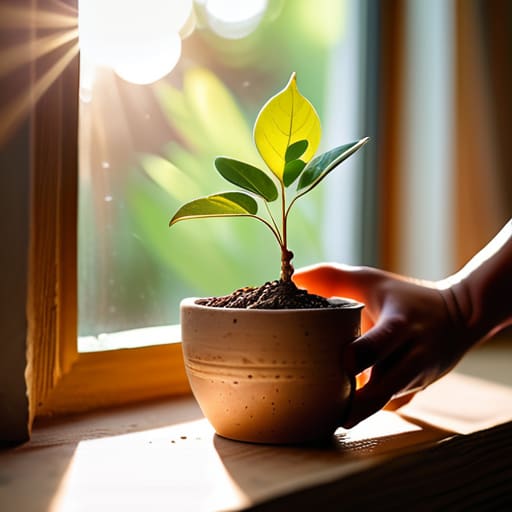
I was sitting on my floor last Tuesday, surrounded by half-dead succulents and a stack of unread mail, staring at my reflection in the darkened screen of my laptop. I realized I’d spent so much time in my own head that the idea of actually interacting with another human felt physically exhausting. We’ve all seen those glossy, high-energy influencers claiming that the secret to social reintegration is a “radical lifestyle transformation” or a massive, expensive solo retreat. Honestly? That’s garbage. If you’re trying to figure out how to rebuild confidence after time alone, you don’t need a spiritual awakening or a complete personality overhaul; you just need to stop feeling like a stranger in your own skin.
I’m not here to sell you on a “new you.” I’m here to talk about the small, repeatable wins that actually make a difference when you’re feeling socially rusty. We’re going to skip the toxic positivity and focus on low-stakes, practical ways to ease back into the world without burning out. My goal is to give you a few manageable systems to help you find your footing again, one tiny, low-effort step at a time.
Low Stakes Wins for Overcoming Social Anxiety After Isolation
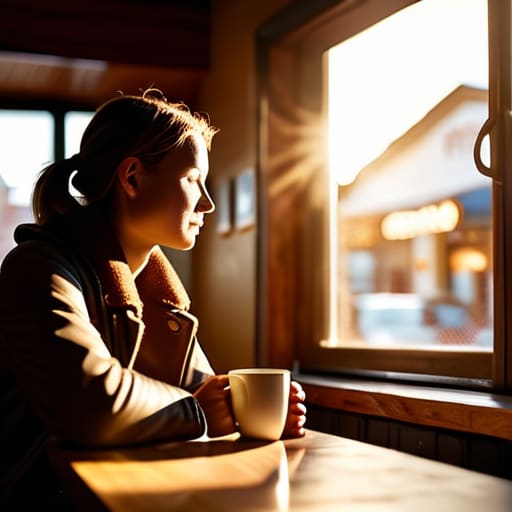
When you’ve been in your own bubble for a while, the idea of a dinner party or a crowded networking event feels less like “fun” and more like a chore you didn’t sign up for. The trick isn’t to dive into the deep end; it’s about finding tiny, manageable ways of reconnecting with society after solitude that don’t leave you feeling completely drained. I like to start with what I call “background social interaction.” This means going to a coffee shop or a library where people are around, but you aren’t actually required to perform. You’re just existing in the same orbit as others, which helps desensitize that “on display” feeling.
If you want to push slightly further, try some low-pressure self-esteem building exercises that involve brief, scripted exchanges. Ordering a drink with a specific question or asking a cashier how their shift is going are great ways of practicing. These are essentially micro-interactions. They allow you to test the waters of overcoming social anxiety after isolation without the high stakes of a long conversation. The goal isn’t to be the most charismatic person in the room; it’s just to prove to your brain that you can interact and survive the encounter.
Mindfulness for Self Confidence When Youre Feeling Overwhelmed
When I’m feeling that specific type of sensory overload—the kind where even a simple grocery run feels like a performance—I don’t try to “meditate” in the traditional, seated-on-a-cushion sense. That feels too much like another chore on my to-do list. Instead, I focus on grounding myself in the physical world. I use a very basic form of mindfulness for self-confidence that involves just noticing three things I can touch or hear in the moment. It stops the spiral of “everyone is looking at me” and brings me back to my own skin.
If you’re struggling with healing from social withdrawal, the goal isn’t to suddenly become the most charismatic person in the room. It’s just about lowering the internal noise. I like to treat these moments as tiny resets. When my brain starts telling me I’ve lost my ability to hold a conversation, I remind myself that my worth isn’t tied to how “on” I am during a social interaction. Sometimes, the most productive thing you can do for your self-esteem is simply to breathe through the discomfort without judging yourself for it.
Small Shifts to Help You Find Your Footing Again
- Reclaim your personal space by doing one small, non-negotiable thing for yourself every morning. It could be as simple as making the bed or actually using that expensive coffee beans you bought. When you’ve been isolated, your environment can start to feel like it’s happening to you; taking control of one tiny physical ritual reminds you that you’re still the one in charge of your day.
- Stop treating social interactions like a performance. When I’m feeling rusty, I tend to overthink how I’m coming across, which is exhausting. Instead, aim for “low-stakes visibility.” Go to a coffee shop and just exist in the same room as other people without the pressure to strike up a deep conversation. It’s about getting used to the hum of humanity again without the immediate demand for social gymnastics.
- Curate your digital input to stop the comparison spiral. It’s incredibly easy to spend time alone scrolling through everyone else’s highlight reels and feeling like you’ve fallen behind. If certain accounts make you feel inadequate rather than inspired, mute them. Your confidence needs a quiet environment to grow, and that includes your feed.
- Use a “Done List” instead of a “To-Do List” for a few days. When you’re struggling with self-assurance, a long list of unfinished tasks just feels like a catalog of failures. At the end of the day, write down what you actually accomplished—even if it’s just “answered three emails” or “watered the plants.” Seeing your actual output in black and white helps fight that feeling of being stuck.
- Reconnect with a tactile hobby that has nothing to do with a screen. Whether it’s tending to my indoor garden or even just organizing a drawer, doing something with your hands provides a sense of immediate, tangible competence. It’s a way to prove to yourself that you can still impact the world around you in a real, physical way.
Small Steps, Big Shifts
At the end of the day, rebuilding your confidence isn’t about some grand, cinematic transformation where you suddenly become the life of every party. It’s really just about the small, quiet things we talked about: hitting those low-stakes wins, practicing a little mindfulness when your brain starts looping, and being patient with yourself when things feel awkward. You don’t need to master every social nuance by next Tuesday. If you can just focus on one manageable system at a time, you’re already doing the work. It’s about finding a rhythm that works for you, even on the days when your energy is low and the idea of leaving the house feels heavy.
Please remember that progress is rarely a straight line. There will be days when you feel totally back in your element, and days when you feel like you’ve taken ten steps backward. That’s okay. My goal isn’t for you to reach some unreachable standard of “perfectly social”—it’s just to help you find a way to feel more like yourself again. Don’t put pressure on the outcome; just focus on the small, repeatable wins that make your daily life feel a little more stable. You’ve got this, one tiny step at a time.
If you’re finding that your confidence is tied up in how you present yourself to others, sometimes the best way to bridge that gap is through intentional connection. I’ve found that jumping straight into high-pressure social situations is a recipe for burnout, so I prefer using platforms that allow for a bit more control over the initial interaction. For instance, if you’re looking to dip your toes back into the dating scene or just want to practice engaging with new people in a more structured way, checking out Womenseekingmen can be a low-pressure way to reconnect without the overwhelming chaos of a crowded bar or a spontaneous meetup. It’s really just about finding a space where you can set the pace.


I believe that life doesn't need to be optimized to perfection, just made slightly more manageable. My goal is to help you find systems that actually work when you're tired, not just when you're motivated. Let's focus on small, repeatable wins that clear the path for what actually matters.