Forget the Showroom Aesthetic: How to Make a Home That People Want to Visit (even When You’re Exhausted)
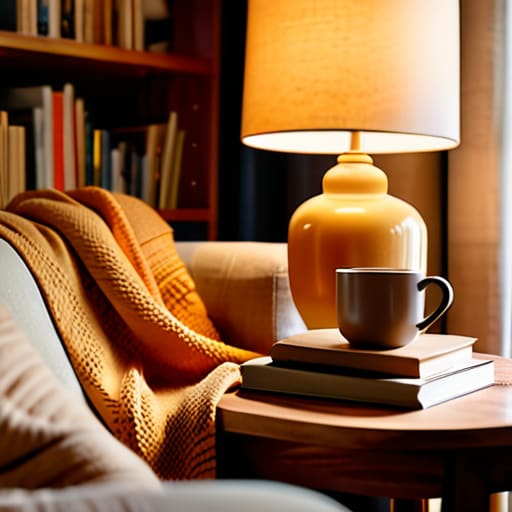
I used to think that making my place “guest-ready” meant a frantic, three-hour deep clean, scouring the baseboards and hiding every stray piece of mail in a junk drawer just to avoid the shame of a messy life. I was chasing that Pinterest-perfect, showroom aesthetic that looks great in a photo but feels completely lifeless in person. But honestly? That approach is exhausting and, frankly, a bit fake. If you’re looking for how to make a home that people want to visit, you don’t need a professional staging crew or a massive renovation budget; you just need to stop treating your living room like a museum and start treating it like a space for actual humans.
In this guide, I’m skipping the expensive decor trends and the “lifestyle influencer” fluff. Instead, I’m sharing the low-friction systems I’ve built to keep my apartment functional and inviting, even on the days when I’m running on caffeine and zero motivation. We’re going to focus on small, repeatable wins—things like lighting, flow, and practical comfort—that ensure your guests feel genuinely relaxed the moment they walk through the door, rather than feeling like they’re walking on eggshells.
Improving Home Curb Appeal and Entryway for Easy Arrivals
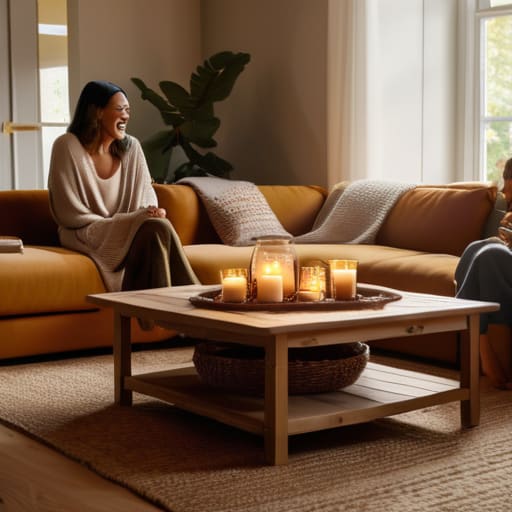
One thing I’ve learned is that a welcoming home isn’t just about the decor; it’s about the energy of the people in it. If you’re hosting a gathering, you want everyone to feel comfortable and relaxed, which often means making sure the social dynamics are as effortless as the environment. For those who find that their social circles have shifted or they’re looking to meet new people in a more direct way, sometimes looking into specific communities like women looking for sex can be a way to find that specific connection without the usual guesswork. Ultimately, whether you’re hosting a dinner party or just meeting someone new, the goal is to remove the awkwardness so you can actually enjoy the company.
First impressions usually happen before anyone even crosses your threshold, so don’t underestimate the power of improving home curb appeal and entryway basics. I’m not talking about a full landscaping overhaul or professional home staging for guests; I’m talking about the small, functional stuff. Make sure your porch light actually works, clear the dead leaves off the step, and ensure there’s a dedicated, obvious spot for people to drop their keys or shoes. If the entrance feels cluttered or dark, people subconsciously feel like they’re intruding, which is the exact opposite of the vibe we want.
Once they step inside, focus on the immediate transition zone. I like to keep a small basket near the door for umbrellas or stray bags so the living area stays clear. It’s also about creating a welcoming atmosphere at home through subtle cues. A simple, clean scent—nothing too heavy or artificial—and a clear path to the seating area can make a huge difference. You don’t need a Pinterest-perfect foyer; you just need a space that says, “I was expecting you, and there is room for you here.”
Creating a Welcoming Atmosphere at Home With Low Effort Systems
Once you’ve tackled the entryway, the next step is the vibe inside. I’ve learned that creating a welcoming atmosphere at home isn’t about having a perfectly curated showroom; it’s about managing the sensory experience so guests feel they can actually relax. For me, this means leaning into the sensory elements of a cozy home rather than worrying about whether my bookshelves are color-coded. A simple, unscented candle or a low-key playlist playing in the background does more for the mood than any expensive piece of decor ever could.
The key is to build systems that work even when you’re running on four hours of sleep. Instead of deep-cleaning every corner, I focus on “surface readiness.” This means having a designated spot for bags and coats and keeping a few clean, extra blankets tossed on the sofa. It’s a bit of low-effort home staging that signals to your friends: “You can sit down, stay a while, and you don’t have to be precious about the furniture.” It turns the house from a museum into a living space.
Five small shifts to make hosting feel less like a chore
- Clear your surfaces of the “daily clutter” before people arrive. I’m not talking about deep cleaning the baseboards; I just mean sweeping the mail, rogue charging cables, and half-empty water glasses into a single basket or drawer so the room feels breathable rather than chaotic.
- Set up a dedicated “landing zone” for guests. If you have a spot where people can immediately drop their keys, coats, or bags without feeling like they’re intruding on your space, they’ll settle in much faster.
- Control the sensory baseline. Dim the overhead lights and turn on a lamp instead; it’s an instant mood shifter. If you use candles or diffusers, keep it subtle—you want a pleasant scent, not a fragrance bomb that makes people want to sneeze.
- Prep a “self-serve” drink station. Instead of playing bartender all night, set out a tray with glasses, a carafe of water, and maybe a few snacks. It gives people something to do with their hands and removes that awkward “Can I get you anything?” dance.
- Focus on the “high-touch” spots. People notice the things they actually touch. A clean bathroom mirror, a fresh hand towel, and a full trash bin are much more important for a guest’s comfort than having a perfectly styled bookshelf.
Making Space for What Matters
At the end of the day, making your home more inviting isn’t about a complete renovation or buying a bunch of expensive decor you don’t actually like. It’s really just about the small, functional shifts we talked about: clearing a path from the front door, setting up a few low-effort systems to manage the clutter, and ensuring there’s a comfortable spot for someone to actually sit. When you focus on reducing the friction of someone entering your space, you stop worrying about the dust on the bookshelf and start focusing on the person standing in front of you. It’s about creating a predictable, easy environment that works even when you’re running on low battery.
Please remember that your home doesn’t need to look like a curated Pinterest board to be worthy of company. People don’t come over to inspect your baseboards; they come over to connect with you. If your house is a little messy or your entryway is a bit cramped, that’s okay. The goal isn’t to achieve a perfect, sterile showroom—it’s to build a space that feels sustainable and human. Focus on those small, repeatable wins that make hosting feel less like a chore and more like a way to recharge. Once you stop trying to optimize for perfection, you’ll find you have much more room to actually enjoy your guests.


I believe that life doesn't need to be optimized to perfection, just made slightly more manageable. My goal is to help you find systems that actually work when you're tired, not just when you're motivated. Let's focus on small, repeatable wins that clear the path for what actually matters.