Why Loneliness Affects Sleep (and Why Your Brain Won’t Let You Rest When You’re Feeling Disconnected)
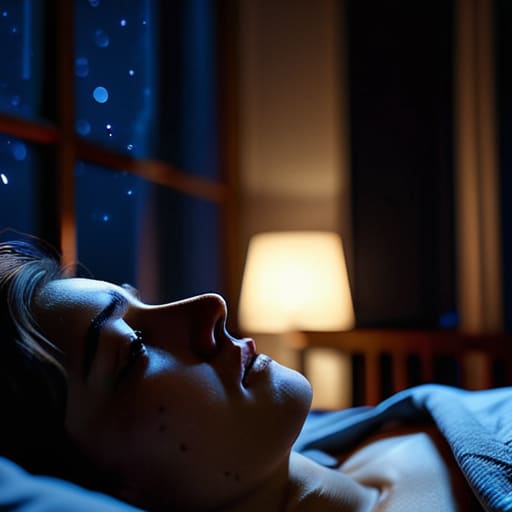
I’ve lost count of how many “sleep hygiene” influencers have tried to sell me on expensive silk eye masks or lavender-scented weighted blankets as the ultimate fix for a restless night. It’s frustrating because they treat sleep like a mechanical problem you can solve with more stuff, completely ignoring the actual emotional weight that keeps you staring at the ceiling. The truth is much more visceral: if you’re feeling disconnected from the people around you, your brain stays in a state of hyper-vigilance that makes rest feel impossible. Understanding why loneliness affects sleep isn’t about buying a better pillow; it’s about recognizing that your nervous system is essentially waiting for a signal of safety that isn’t coming.
It’s also worth noting that when your brain is stuck in that hyper-vigilant loop, finding a way to actually decompress before bed becomes a lot harder. I’ve found that sometimes you just need a different kind of mental escape to break the cycle of ruminating on why you feel so disconnected. For me, exploring something like hausfrauensex online has been a way to shift my focus and find a bit of intentional distraction when the silence in my apartment starts feeling a little too loud. It’s not about fixing everything overnight, but about finding those small, weirdly effective ways to signal to your body that it’s finally okay to let go.
I’m not here to give you a list of expensive gadgets or toxic positivity. Instead, I want to walk through the actual, messy mechanics of how isolation messes with your rest and offer a few low-effort, realistic adjustments you can make when you’re feeling drained. We’re going to focus on small, repeatable ways to signal safety to your brain so you can finally stop the midnight mental loop. No fluff, no perfectionism—just practical ways to make the night a little more manageable.
How Social Isolation and Sleep Disturbances Feed Each Other

It’s a bit of a vicious cycle, honestly. When you’re feeling disconnected, your brain doesn’t just feel “sad”—it actually goes into a state of hyper-vigilance. It’s like your internal alarm system is stuck on low volume, scanning for threats because it feels like you don’t have a “tribe” to help you navigate the world. This constant state of alertness directly impacts your cortisol levels and nighttime anxiety, making it nearly impossible to actually power down. Instead of drifting off, you find yourself staring at the ceiling, your mind racing through every awkward interaction or missed connection from the day.
Once you lose that quality rest, the next day becomes even harder to manage. You’re more irritable, your social battery is completely drained, and the thought of reaching out to anyone feels like an exhausting chore. This is where the relationship between mental health and insomnia gets messy; the exhaustion makes you withdraw even further, which only deepens the sense of isolation. It’s not just about being tired; it’s about how that lack of sleep makes the world feel a little colder and harder to face.
The Link Between Cortisol Levels and Nighttime Anxiety
When I’m feeling particularly disconnected, I notice my brain starts doing that thing where it refuses to shut off, scanning for problems that aren’t even there. That isn’t just “overthinking”—it’s a physiological response. When you lack regular social interaction, your body can stay in a state of low-grade hyper-vigilance. This keeps your cortisol levels and nighttime anxiety in a frustrating loop; your stress hormones spike right when they should be dipping, making it nearly impossible to drift off.
It’s like your internal alarm system is stuck in the “on” position because it doesn’t feel socially “safe.” Instead of your body preparing for rest, it’s preparing for a threat. This constant chemical hum is a major part of the psychological impact of loneliness on rest, turning what should be a peaceful window into a period of restless tossing and turning. It’s not about being dramatic; it’s about your biology reacting to a lack of connection by staying on high alert.
Small ways to quiet the noise when the house feels too still
- Create a “buffer zone” before bed. When you’re feeling isolated, the silence can feel heavy, so use low-stakes background noise—like a brown noise machine or a familiar, low-key podcast—to provide a sense of presence without requiring active engagement.
- Stick to a “low-friction” evening routine. On nights when the loneliness feels particularly loud, don’t try to do a full 10-step skincare ritual. Just pick two things—like brushing your teeth and dimming the lights—to signal to your brain that the day is actually over.
- Use “micro-connections” during the day. It sounds small, but a quick text to a friend or even a brief chat with the person at the coffee shop can lower that baseline cortisol level, making it less likely your brain will go into overdrive once your head hits the pillow.
- Curate your digital environment. If scrolling through social media makes you feel more disconnected or triggers that “everyone is out having fun but me” feeling, put the phone in another room thirty minutes before bed. Replacing a digital void with a physical book is much kinder to your nervous system.
- Focus on tactile comfort. Since loneliness can sometimes feel like a physical ache, lean into sensory grounding. A weighted blanket or even just a fresh set of heavy cotton sheets can provide a subtle sense of security that helps settle that nighttime restlessness.
Finding Your Way Back to Rest
At the end of the day, it’s not just about “bad sleep habits”; it’s about how our biology reacts to a lack of connection. When we feel isolated, our bodies essentially stay on high alert, spiking cortisol and keeping us in a state of hyper-vigilance that makes deep sleep feel impossible. It becomes this frustrating cycle where loneliness keeps us awake, and the resulting exhaustion makes us feel even more disconnected from the world around us. Understanding that this is a physiological response rather than a personal failure is the first step toward breaking that loop.
I know how heavy that cycle can feel, especially when you’re staring at the ceiling at 3:00 AM. But please remember that you don’t have to fix everything overnight. You don’t need a massive social overhaul to start feeling better; sometimes, it’s just about finding small, low-pressure ways to reconnect, whether that’s a quick text to a friend or just sitting in a coffee shop to be around people. Be patient with yourself while you navigate this. We’re all just trying to find a little more stability and a little more rest in the middle of the chaos.


I believe that life doesn't need to be optimized to perfection, just made slightly more manageable. My goal is to help you find systems that actually work when you're tired, not just when you're motivated. Let's focus on small, repeatable wins that clear the path for what actually matters.