Stop Making Lists That Fail: How to Build a Functional To-do List

I used to spend hours every Sunday night curating the “perfect” digital ecosystem, color-coding my tasks and setting up complex automation triggers, only to end up staring at a screen of overwhelming checkboxes by Tuesday morning. Most of the to do list tips you find online assume you have the energy of a productivity influencer on a caffeine high, but let’s be real: most of us are just trying to manage a career, a home, and a mounting sense of mental clutter. I’m tired of the hype around “optimization” that actually just creates more work; I want a system that survives a bad night’s sleep or a chaotic Tuesday at the office.
In this post, I’m skipping the expensive app subscriptions and the impossible-to-maintain frameworks. Instead, I’m sharing the practical, low-friction strategies I’ve actually used to keep my head above water as an operations manager. These are real-world systems designed for the days when you’re running on empty, focusing on small, repeatable wins that actually clear your plate. We aren’t aiming for perfection here—we’re just aiming to make your life slightly more manageable.
Prioritization Methods for Task Lists That Wont Burn You Out

The problem with most prioritization methods for task lists is that they assume you have infinite willpower. We’ve all been there: you sit down with a massive list, see twenty items, and immediately feel paralyzed. Instead of trying to tackle everything, I’ve started using the “Rule of Three.” I pick three non-negotiables for the day—the things that, if finished, will actually make me feel like I didn’t just spin my wheels. Everything else goes on a “maybe later” list. This isn’t about being lazy; it’s about protecting your mental bandwidth so you don’t end the day feeling defeated.
If you’re someone who struggles with getting started, you might find more success with the Eisenhower Matrix, but keep it simple. Don’t get bogged down in complex time management techniques that require a PhD to understand. Just separate what is actually urgent from what is just loud. A lot of our “tasks” are just digital noise. By filtering out the distractions, you can focus on the small, repeatable wins that actually move the needle without leaving you completely drained by 3:00 PM.
Overcoming Procrastination With Lists Built for Low Energy Days

We’ve all been there: it’s 3:00 PM, your brain feels like mush, and that massive, intimidating to-do list is staring you down. When your energy levels crater, trying to tackle high-level projects is a recipe for frustration. This is where most people give up entirely, but I’ve found that overcoming procrastination with lists is actually easier if you change the rules of the game when you’re tired. Instead of fighting your brain, lean into it by creating a “Low-Energy Menu.”
This is essentially a subset of your main list, reserved specifically for those days when you can barely focus on a single email. I keep a separate list of “micro-tasks”—things like watering my plants, filing one digital receipt, or clearing my desktop icons. These aren’t ambitious productivity hacks for daily tasks; they are small, low-stakes wins. By checking off these tiny items, you maintain a sense of momentum without the mental tax of a heavy lift. It’s about keeping the gears turning, even if you’re just idling in low gear.
Five ways to stop your list from becoming a source of stress
- Stop writing “everything” on one list. I used to have a single, terrifying scroll of tasks that included everything from “finish quarterly report” to “buy milk.” Now, I separate my lists into “Work” and “Life.” It keeps my brain from looping about groceries while I’m in a meeting, and vice versa.
- Use the “Rule of Three” for your daily wins. Instead of looking at a list of twenty things, pick three non-negotiables. If you get those done, the day is a success. Anything else is just a bonus. It keeps that feeling of accomplishment alive instead of constant deficit.
- Write tasks as actual actions, not vague concepts. “Project X” is a nightmare to start because your brain doesn’t know where to begin. “Draft three slides for Project X” is something you can actually do. If a task feels heavy, it’s usually because it’s too vague.
- Build in a “Buffer Zone.” I never schedule my list back-to-back. Life happens—a meeting runs long, a plant needs watering, or you just need five minutes to stare at a wall. Leave empty space in your day so one delay doesn’t wreck your entire sense of control.
- Do a weekly “Brain Dump” to clear the mental clutter. Every Sunday evening, I grab my physical planner and write down every single nagging thought, errand, or task floating in my head. Once it’s on paper, I can actually relax, knowing I won’t forget it by Monday morning.
The Bottom Line: Making Lists Work for You
Stop aiming for the “perfect” list; a messy, realistic plan that you actually follow is infinitely better than a beautiful, over-ambitious one that just makes you feel guilty.
Build in a “low-power mode” for your tasks so that when your energy inevitably dips, you have a pre-set list of small, easy wins to keep you from spiraling.
Use your list as a tool to clear mental clutter, not as a scoreboard for your productivity—the goal is to reduce stress, not add to it.
Finding Your Own Rhythm
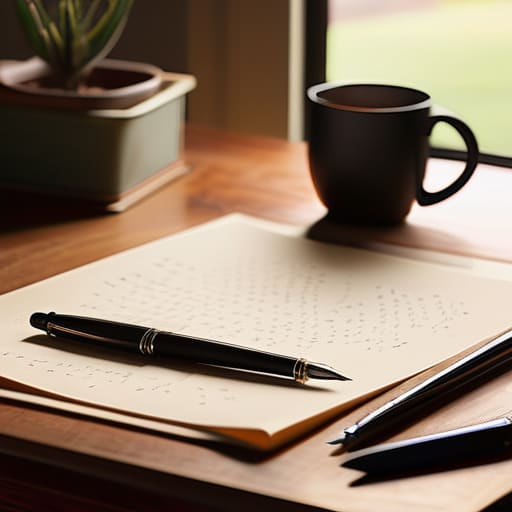
At the end of the day, there is no single “correct” way to manage your tasks. Whether you’re using a complex prioritization framework to tackle your biggest projects or keeping a tiny, low-energy list just to get through a Tuesday, the goal is the same: reducing the mental noise. We’ve talked about choosing methods that don’t lead to burnout and building systems that actually hold up when you’re feeling drained. Remember, a to-do list is meant to be a tool for your brain, not an extra source of guilt or another thing to fail at. If your current system feels like a chore, toss it and try something smaller.
I know how easy it is to get caught up in the idea that we need to be “optimized” to be successful. But honestly? Some days, success is just clearing the dishes and answering that one email you’ve been avoiding for a week. Don’t let a messy list convince you that you’re falling behind. Focus on those small, repeatable wins that clear a little bit of space for your actual life to happen. You don’t need to conquer the world every single morning; you just need to make things a little more manageable one task at a time. You’ve got this.
Frequently Asked Questions
How do I stop my to-do list from becoming a giant, overwhelming mountain of tasks that I just end up ignoring?
The trick is to stop treating your list like a master blueprint and start treating it like a menu. When it starts looking like a mountain, it’s usually because you’re mixing “big project” tasks with “small quick wins.”
Is it better to use a digital app or a physical planner if I want to actually stick to my system?
Honestly? It depends on where your brain naturally lives. If you’re someone who is constantly switching tabs and lives in your email, a digital app like Todoist is better because it meets you where you already are. But if you find yourself mindlessly scrolling when you should be working, go physical. I keep a paper planner on my desk because the friction of actually writing something down forces me to be intentional. Pick the one that requires the least amount of willpower to open.
What should I do when I realize I've overplanned my day and I'm already falling behind by noon?
First, stop. Close the planner and take five minutes to just breathe. When I hit that noon wall, I do a “ruthless triage.” I look at my list and categorize everything into: Must happen today, Can wait until tomorrow, and Actually doesn’t matter. I pick the two most critical tasks and ignore the rest. Trying to catch up by rushing just creates more friction. Accept the pivot; a realistic afternoon is better than a failed morning.


I believe that life doesn't need to be optimized to perfection, just made slightly more manageable. My goal is to help you find systems that actually work when you're tired, not just when you're motivated. Let's focus on small, repeatable wins that clear the path for what actually matters.