A Proven Approach to Breaking Bad Habits for Good

I was sitting at my desk last Tuesday, staring at a half-eaten bag of chips and a mountain of unread emails, feeling that familiar, heavy sense of defeat. I had spent the last hour mindlessly scrolling through my phone—a habit that feels less like “relaxation” and more like a slow drain on my sanity. Most productivity gurus will tell you that you need a complete lifestyle overhaul or a $50 planner to fix this, but honestly? That’s just exhausting to think about. When you’re already running on fumes, the idea of “reinventing yourself” feels like another chore on an already impossible to-do list. If you’re searching for how to break bad habits without needing a PhD in willpower, you’re in the right place.
I’m not here to sell you on some overnight transformation or a rigid, perfectionist routine that falls apart the moment you have a bad day. Instead, I want to share the small, low-friction tweaks that actually work when you’re too tired to try hard. We’re going to focus on building systems that accommodate your real, messy life, rather than the idealized version of yourself you see on Instagram. Let’s find those small, repeatable wins that make your daily grind feel just a little more manageable.
Decoding the Habit Loop Mechanism When Youre Exhausted

To understand why you reach for that second bag of chips or scroll through social media for an hour when you’re drained, you have to look at the habit loop mechanism. It isn’t a failure of willpower; it’s just your brain trying to take a shortcut. The loop consists of a cue, a routine, and a reward. When you’re exhausted, your prefrontal cortex—the part of your brain responsible for making logical, “good” decisions—basically goes offline. This is when your brain leans heavily on established neural pathways to find the quickest possible hit of dopamine.
Instead of fighting your biology, I’ve found it’s much more effective to focus on overcoming triggers and cues before they spiral. If your cue is “feeling lonely at 9 PM,” trying to force a new behavior through sheer grit usually fails by Tuesday. You have to identify what actually sets the loop in motion. Once you spot the pattern, you aren’t just fighting a habit; you’re essentially hacking the system to make replacing negative behaviors feel less like a chore and more like a natural pivot.
Overcoming Triggers and Cues With Low Effort Awareness

Most advice tells you to just “use willpower” to stop a habit, but willpower is a finite resource that runs out the second you have a long day at work. Instead of fighting yourself, I’ve found it’s much more effective to focus on overcoming triggers and cues by simply noticing them without judgment. For me, that meant realizing my mindless scrolling wasn’t about boredom, but about the physical sensation of my phone sitting on my desk next to my coffee. When you identify the specific environmental spark—the sound, the location, or even a certain time of day—you stop being a victim of your impulses and start becoming an observer.
You don’t need a massive psychological overhaul to see progress. Sometimes, the most sustainable way to start replacing negative behaviors is to add just a tiny bit of friction to the old one. If I’m trying to stop snacking while working, I don’t ban food; I just move the snacks to a high shelf in a different room. It’s not about being perfect; it’s about making the “bad” choice just slightly more annoying than the “good” one.
Five low-friction ways to start rewiring your routine
- Swap, don’t stop. Trying to quit a habit cold turkey feels like trying to hold a beach ball underwater—it’s exhausting and eventually, it’s going to pop up. Instead of just “not doing” something, find a low-effort replacement. If you scroll on your phone the second you sit on the couch, put a book or even just a fidget toy in that exact spot. You aren’t fighting the urge to do something; you’re just changing the target.
- Use the “Two-Minute Rule” for your new habits. When we try to break a bad habit, we often try to replace it with something massive, like a 60-minute gym session. That’s a recipe for failure when you’ve had a long day at work. If you want to start reading instead of snacking, tell yourself you only have to read two pages. Make the new behavior so small it feels almost silly to say no to.
- Design your environment to work for you (or against you). I’m a big believer in “choice architecture.” If you struggle with mindless snacking, don’t keep the chips on the counter; put them in a high, hard-to-reach cabinet. If you spend too much time on a specific app, move it off your home screen and into a folder three pages deep. Make the bad habit require more steps to complete.
- Forgive the “slip-up” immediately. This is the one that gets me most often. I’ll have a great week, have one bad night, and then think, “Well, I’ve ruined the streak, might as well give up.” That’s not how this works. A slip-up isn’t a reset button; it’s just a data point. Acknowledge it, figure out what triggered it, and just move on to the next decision.
- Focus on “Identity Shifts” rather than goal shifts. Instead of saying “I’m trying to stop biting my nails,” try telling yourself “I’m not someone who bites their nails.” It sounds a bit cheesy, I know, but it changes how you view your choices. You aren’t constantly fighting a battle against your will; you’re just acting in alignment with who you actually are.
The Low-Friction Game Plan
Stop aiming for willpower and start aiming for environment design; if you want to stop reaching for your phone at 11 PM, put the charger in the kitchen, not on your nightstand.
Forgive the slip-ups instead of spiraling; a bad afternoon doesn’t mean the whole system is broken, it just means you need a lower-effort version of your plan for tomorrow.
Focus on “micro-replacements” rather than total bans, because it’s much easier to swap a mindless snack for a glass of water than it is to simply try “not eating” altogether.
Finding Your Rhythm
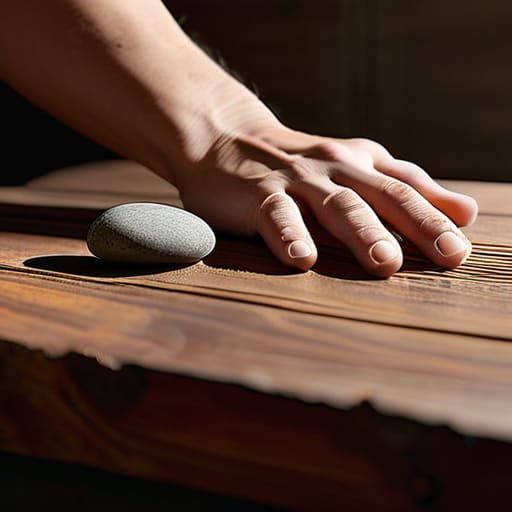
At the end of the day, breaking a bad habit isn’t about a sudden burst of willpower or a dramatic lifestyle overhaul. It’s about understanding that your brain is just trying to find the path of least resistance, especially when you’re drained. We talked about deconstructing that habit loop and learning to spot your triggers without making it a massive, exhausting project. The goal isn’t to become a productivity robot; it’s to minimize the friction between your intentions and your actions. If you can identify just one cue and swap it for a slightly easier alternative, you’ve already won more than most people do by trying to change everything at once.
Please, be kind to yourself when you slip up. I’ve spent plenty of days staring at my planner, feeling like a failure because I couldn’t stick to a new routine, but I’ve learned that progress isn’t a straight line. A bad day doesn’t erase your progress; it’s just data telling you that your current system might be a little too demanding for your current energy levels. Adjust the system, don’t punish yourself. Focus on those small, repeatable wins, and eventually, the new way of doing things will just feel like the path of least resistance. You’ve got this.
Frequently Asked Questions
What do I do when a "small tweak" just isn't working and the old habit keeps winning?
Look, I’ve been there. I’ll try to swap my afternoon soda for sparkling water, and by Wednesday, I’m back to the sugar rush. If the “small tweak” is failing, stop blaming your willpower and look at the friction. Usually, it means the new habit is still too hard or the old one is too rewarding. Instead of pushing harder, try making the bad habit slightly more annoying to perform. Add one tiny barrier. Sometimes, we need to make the wrong choice just a little bit more inconvenient.
How can I tell the difference between a habit I actually want to break and just a symptom of being burnt out?
This is a tough one, and honestly, the line is incredibly blurry. Here’s how I separate them: look at the “why.” If you’re reaching for a habit because it’s a mindless, automatic response to stress—like scrolling for three hours or mindless snacking—that’s often a burnout symptom. You aren’t choosing the habit; you’re just seeking a temporary numbing agent. A true bad habit feels like a choice you regret; burnout feels like a survival mechanism.
Is it possible to replace a bad habit with something else without it feeling like another exhausting chore on my to-do list?
It’s absolutely possible, but you have to stop thinking about “replacing” as adding a new task. If you try to swap scrolling on your phone for a 30-minute meditation session, you’re going to fail by Tuesday. Instead, look for a “low-friction substitute.” If you usually snack when stressed, try drinking a glass of cold water or just stepping onto your balcony for two minutes. Aim for something that requires almost zero willpower.


I believe that life doesn't need to be optimized to perfection, just made slightly more manageable. My goal is to help you find systems that actually work when you're tired, not just when you're motivated. Let's focus on small, repeatable wins that clear the path for what actually matters.