Effective Ways to Improve the Air Quality in Your House
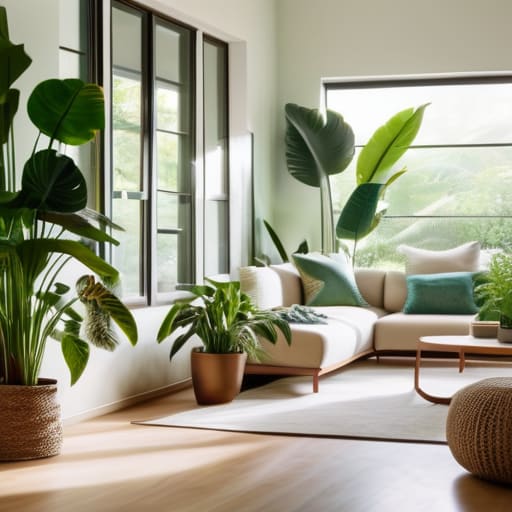
I used to think that if I wanted to fix my stuffy apartment, I’d need to drop a month’s rent on a high-tech, medical-grade air purifier that looks like something out of a sci-fi movie. The marketing makes it sound like you’re living in a toxic cloud unless you have a machine with five different sensors and a subscription service. But honestly? Most of that is just expensive noise. I spent way too much time spiraling over how to improve indoor air quality by researching complex filtration ratings, only to realize that I was making a simple problem feel much more overwhelming than it actually needed to be.
I’m not here to sell you on a lifestyle overhaul or a suite of gadgets you don’t have the energy to maintain. Instead, I want to share the small, low-effort wins I’ve actually implemented in my own space that make a noticeable difference. We’re going to focus on realistic, repeatable habits—things you can do even on the days when you’re too tired to do much of anything. This is about finding a way to breathe a little easier through practical systems, not perfection.
Low Effort Ventilation Techniques for Homes
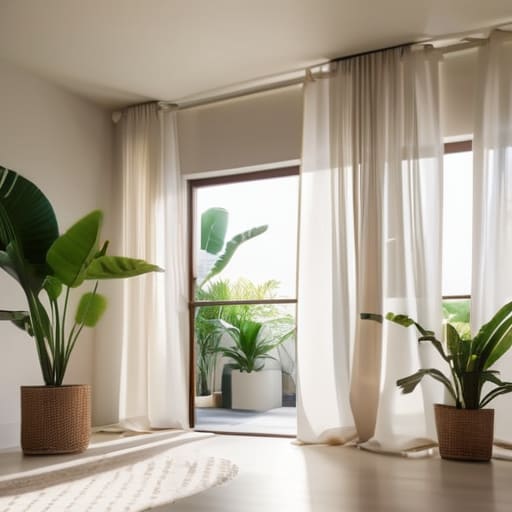
Honestly, the easiest way to fix stuffy air isn’t some high-tech gadget; it’s just learning a few basic ventilation techniques for homes that don’t require much brainpower. I used to keep my windows shut tight to keep the AC in, but I realized I was just trapping all the stale air inside. Now, I try to do a “cross-breeze” for about ten minutes every morning. Just crack a window in the bedroom and one in the living room. It’s a low-effort way to flush out common indoor air pollutants like cooking odors or cleaning chemical fumes without making my apartment feel like a wind tunnel.
If you’re dealing with a particularly humid day or live in a place where opening windows feels impossible, don’t sweat it. You can still make progress by using your bathroom and kitchen exhaust fans more strategically. Running the fan while you’re showering or boiling water is a massive help in reducing household allergens like mold that thrive in damp corners. It’s not about being perfect; it’s just about moving the air so it doesn’t feel so heavy.
Simple Ways for Reducing Household Allergens
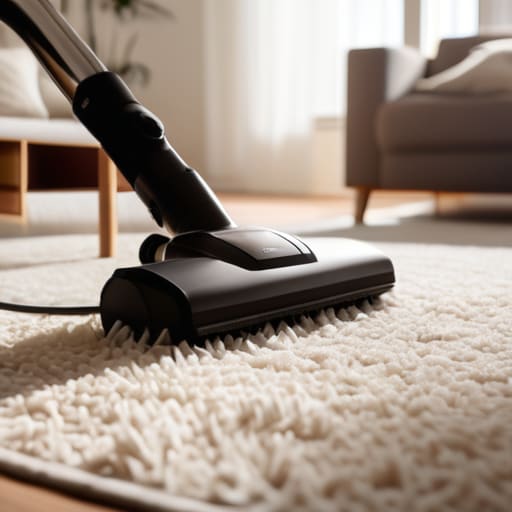
If you’re dealing with seasonal allergies that seem to follow you inside, the goal isn’t to eliminate every speck of dust—that’s an impossible battle. Instead, I focus on reducing household allergens by targeting the high-traffic areas where they actually settle. I’ve found that swapping a standard vacuum for one with a HEPA filter is a game-changer; it actually traps the microscopic particles instead of just blowing them back into your breathing zone. It’s one of those small, upfront investments that makes a massive difference in how much less I sneeze by 7:00 PM.
Another thing I’ve learned is that managing your environment is just as important as cleaning it. I pay close attention to the impact of humidity on air quality because if your place feels too damp, you’re basically inviting dust mites and mold to move in. Keeping your humidity levels between 30% and 50% is a low-effort way to keep those common indoor air pollutants from thriving. It’s not about being obsessive; it’s just about setting the stage so your home feels like a place where you can actually breathe.
Small Tweaks for Cleaner Air (That Don't Require a Renovation)
- Stop treating your air purifier like a decorative piece. If you have one, move it off the floor and away from corners; it needs space to actually pull the air in if it’s going to do its job.
- Swap out those synthetic, heavy-duty scented candles for something more natural, or better yet, just skip the fragrance altogether. A lot of those “fresh linen” scents are just a cocktail of VOCs that linger in your lungs long after the candle is out.
- Check your HVAC filters more often than the manual says. I usually do a quick visual check every month—if they look gray or dusty, swap them. It’s a five-minute task that keeps your system from blowing old dust back into your living room.
- Be realistic about your houseplants. They look great on my desk, and while they do help a tiny bit, don’t rely on a fern to clean a room. Use them for the vibe, but use a vacuum for the actual dust.
- Clean your kitchen vent filter once a month. If it’s coated in grease, it’s not pulling cooking odors or particles out of the air; it’s just sitting there. A quick soak in warm, soapy water makes a massive difference in how “heavy” the air feels after you cook.
The Bottom Line
Don’t aim for a sterile house; just pick one or two low-effort habits, like opening a window for ten minutes, that actually stick when you’re busy.
Focus on high-impact, low-maintenance wins—like ditching the heavy fragrances or swapping to a decent air purifier—rather than trying to overhaul your entire living space overnight.
Remember that air quality is about consistency, not perfection. Small, repeatable shifts are better than a massive cleaning spree that you can’t sustain.
Making it Stick
At the end of the day, improving your air quality isn’t about buying a $500 smart monitor or running a high-tech filtration system every single hour. It’s really just about those small, manageable shifts we talked about—cracking a window for a quick refresh, keeping the dust from settling on your surfaces, and not letting the allergens pile up. You don’t have to do everything on this list at once. If you just pick one thing—like a quick vacuum once a week or a better way to manage your indoor plants—you’re already doing more than most. The goal is to create a space that feels breathable and easy, not a space that requires a second job to maintain.
I know how it feels when a “wellness” project just feels like another item on an endless to-do list. But remember, your home should be the place where you recharge, not where you feel like you’re constantly fighting an invisible battle against dust and stale air. Focus on the small, repeatable wins that actually make a difference in how you feel when you wake up in the morning. If you can make your environment just 5% better, you’re winning. Let’s just aim for slightly more manageable, and let the rest take care of itself.
Frequently Asked Questions
Do I really need an expensive air purifier, or will a basic one do the trick?
Honestly? You probably don’t need to drop $500 on a high-end machine unless you’re dealing with severe asthma or constant smoke. For most of us, a solid mid-range purifier with a true HEPA filter is the sweet spot. Focus on the CADR (Clean Air Delivery Rate) rather than fancy app integrations or sleek designs. If it clears the air in your specific room size, it’s doing its job. Don’t overcomplicate it.
Are those indoor plants actually cleaning the air, or is it just a myth?
Honestly? It’s a bit of both. The “NASA study” people always cite is technically true, but in a real-sized living room, you’d need a literal jungle to see a measurable difference in air toxins. Don’t rely on a Peace Lily to do the heavy lifting for you. That said, I still keep my plants around—not because they’re air purifiers, but because they make my workspace feel less clinical and help me decompress.
How often should I actually be changing my HVAC filters if I want to notice a difference?
Look, I get the temptation to set a calendar alert for every six months and forget about it, but if you actually want to feel a difference in the air, you can’t wait that long. I try to swap mine every 60 to 90 days. If you have pets or a dusty apartment, aim for every two months. It’s a small, annoying chore, but it’s much easier than dealing with a clogged system or constant sneezing.


I believe that life doesn't need to be optimized to perfection, just made slightly more manageable. My goal is to help you find systems that actually work when you're tired, not just when you're motivated. Let's focus on small, repeatable wins that clear the path for what actually matters.