Preventing Your Laptop From Overheating
I was halfway through a spreadsheet for a quarterly review last Tuesday when my laptop started sounding less like a computer and more like a jet engine preparing for takeoff. It was sitting on my desk, doing absolutely nothing intensive, yet it was so hot I was genuinely worried about my thighs. I didn’t need a lecture on thermal paste or a $100 specialized cooling pad that takes up half my desk; I just needed to know how to keep your laptop cool without turning my workspace into a science lab.
Look, I’m not here to sell you on expensive gadgets that promise “optimal thermal regulation” but really just clutter your life. My goal is to give you the low-effort, actually effective fixes that I use in my own remote setup to stop the overheating madness. We’re going to focus on small, repeatable adjustments—things you can do in thirty seconds—that will keep your hardware from melting while you’re just trying to get through your to-do list.
Spotting the Signs of Laptop Overheating Before Its Too Late
Most of the time, we don’t notice our tech is struggling until it’s already mid-meltdown. But your laptop is actually pretty vocal about its discomfort if you know what to listen for. The most obvious red flag is that sudden, aggressive roar of the fans—it sounds like a miniature jet engine is trying to take off from your desk. If your machine is constantly working that hard even when you’re just scrolling through emails, it’s a clear sign that you’re dealing with signs of laptop overheating and your internal components are fighting for air.
Then there’s the performance hit. If you notice your cursor stuttering or your browser suddenly hanging, you’re likely experiencing preventing CPU thermal throttling in real-time. Basically, your computer is intentionally slowing itself down so it doesn’t literally fry its own circuits. You might also notice the chassis feeling uncomfortably hot to the touch, especially near the hinge or the underside. If your lap starts feeling like a heating pad, it’s time to stop ignoring it and actually look into some airflow optimization before you end up with a very expensive paperweight.
Simple Laptop Airflow Optimization for When Youre Exhausted
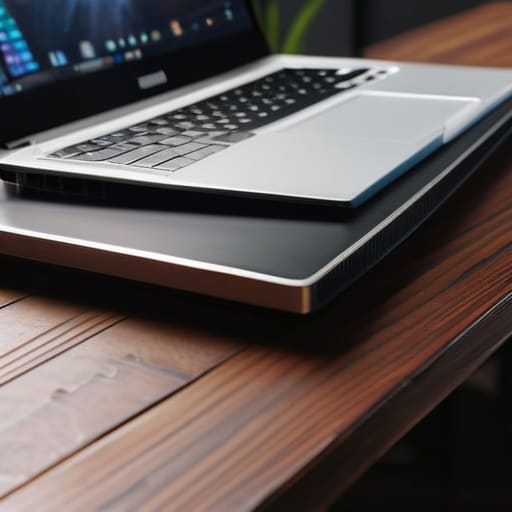
When you’re running on three hours of sleep and a lukewarm coffee, the last thing you want to do is perform a deep-dive technical teardown. If you aren’t ready for a full-blown thermal paste replacement guide, start with the low-hanging fruit. Most of us treat our laptops like coasters, resting them on soft surfaces like blankets or even our laps. This is a recipe for disaster because it chokes the intake vents. If you want quick laptop airflow optimization without the stress, just grab a couple of sturdy books to prop up the back of your machine. Even a slight incline creates enough space for air to circulate, which can be the difference between a smooth workflow and your computer sounding like a jet engine.
If you have a few extra dollars and zero energy, investing in some of the best laptop cooling pads is a total lifesaver. They do the heavy lifting for you by providing a constant stream of cool air, which is great for preventing CPU thermal throttling when you’re stuck in a long Zoom meeting. It’s a low-effort, high-reward way to keep things running smoothly when you just don’t have the mental bandwidth to troubleshoot.
Five low-effort ways to keep your hardware from acting up
- Stop using your laptop on your lap or a plush blanket. I know it’s comfortable, but you’re basically suffocating the vents. If you’re working from the couch, grab a hard book or a flat tray to act as a makeshift desk so the air can actually move.
- Do a quick “tab audit.” I used to think having fifty Chrome tabs open was a sign of productivity, but it’s actually just a massive drain on your CPU. If you aren’t using it right now, close it. Your fans will thank you.
- Check your background processes. If your laptop is screaming even when you’re just typing an email, something is eating your resources in the background. Open your Task Manager (or Activity Monitor) and kill off whatever random app is hogging all the power.
- Invest in a decent cooling pad if you’re doing heavy lifting. If you’re editing video or running large spreadsheets, a cheap cooling pad with built-in fans is a literal lifesaver. It’s a small one-time cost that prevents a much more expensive repair later.
- Get a can of compressed air and give the vents a quick blast once a month. Dust buildup is the silent killer of electronics. You don’t need to take the whole thing apart; just a few quick sprays every few weeks keeps the airflow from getting choked out by lint and pet hair.
The Low-Effort Summary
If your fans sound like they’re trying to take off or your keyboard feels hot to the touch, stop what you’re doing and give the machine some breathing room immediately.
You don’t need to buy expensive cooling pads; just keeping your laptop off soft surfaces like blankets or your lap—even propping it up on a couple of books—makes a massive difference.
Periodically clearing out the dust from your vents is a chore, but it’s much easier than dealing with a dead laptop because it overheated during a deadline.
The Bottom Line
At the end of the day, keeping your laptop from turning into a space heater doesn’t require a degree in computer engineering or a massive budget for specialized gear. It really just comes down to being mindful of the basics: don’t work on your bed, keep the vents clear, and listen to those warning signs like the fans suddenly sounding like a jet engine. If you can manage to implement even just one or two of these small shifts—like propping your device up on a book or doing a quick dust-off once a month—you’ll significantly extend the life of your hardware and, more importantly, save yourself the headache of a mid-project crash.
I know it feels like just one more thing to manage in an already cluttered mental load, but think of it as a tiny investment in your future sanity. We spend so much time trying to master complex productivity systems, yet we often neglect the very tools that allow us to do the work in the first place. You don’t need to be obsessed with technical maintenance; you just need to build a little breathing room for your tech so it can keep up with you. Take care of your gear, and it’ll be there to support you when you actually need it most.
Frequently Asked Questions
Do I actually need to buy one of those expensive cooling pads, or is there a cheaper way to do this?
Honestly? Most of the time, no. I’ve seen people drop $60 on a flashy RGB cooling pad only to realize their laptop was overheating because it was sitting on a duvet. If you’re on a budget, just grab a cheap, flat laptop stand or even a sturdy book to lift the base. Getting that extra bit of clearance for air to circulate does 90% of the heavy lifting without the unnecessary spend.
Is it normal for my laptop to get hot just from having a bunch of Chrome tabs open, or is that a sign of something bigger?
Honestly, it’s a classic culprit. Chrome is a notorious resource hog; every open tab is basically a tiny, hungry program competing for your laptop’s brainpower. If you have fifty tabs open, your processor is working overtime just to keep up, which generates heat. It’s usually not a sign of a dying machine, just a sign that your browser is eating your RAM for breakfast. Try a tab suspender extension or just close the stuff you aren’t using.
If my laptop is already running super loud and hot, is there a quick fix to cool it down without turning it off entirely?
If your fans are screaming and the chassis feels like a stovetop, don’t panic—but do act. First, kill every unnecessary tab and background app; Chrome is a notorious heat generator. If you’re working on a bed or couch, move to a flat, hard surface immediately. Propping the back up with a small book to let air circulate underneath is a lifesaver. It’s a temporary band-aid, but it buys you some breathing room.


I believe that life doesn't need to be optimized to perfection, just made slightly more manageable. My goal is to help you find systems that actually work when you're tired, not just when you're motivated. Let's focus on small, repeatable wins that clear the path for what actually matters.