Productivity-boosting Gadgets You’ll Actually Use
I used to think that being productive meant having a desk that looked like a high-end tech showroom, complete with three monitors and a lighting setup that cost more than my rent. But after years of transitioning from chaotic marketing roles to managing operations, I’ve realized that most of those expensive setups are just performative. The truth is, we don’t need more distractions; we need tools that actually reduce the friction of a busy day. Finding the best productivity gadgets isn’t about buying everything on a “must-have” list; it’s about finding the few, specific things that help you stay on track even when your brain feels like mush.
In this post, I’m stripping away the fluff and sharing the five specific tools I actually rely on to keep my head above water. These aren’t just shiny toys; they are the low-effort essentials that help me bridge the gap between a mounting to-do list and a manageable afternoon. I’ll show you exactly how I use them to protect my focus and reclaim a little bit of sanity in a world that constantly demands more of our time.
A Mechanical Keyboard That Doesn't Suck
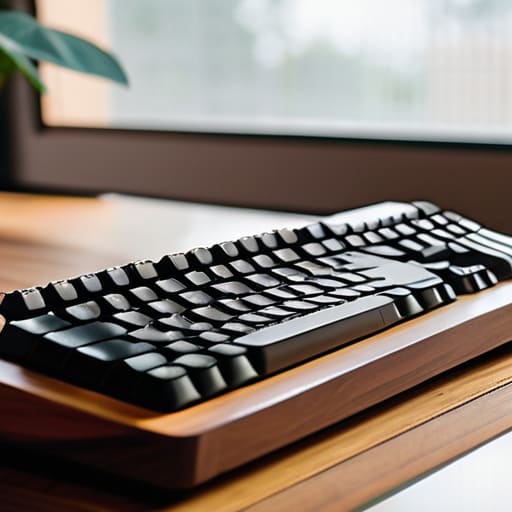
I’ve spent way too much money on different switches, but I always come back to a decent mechanical keyboard. There is something about the tactile feedback that makes typing through a long spreadsheet feel less like a chore and more like an actual task I can finish. When you’re staring at a screen for eight hours, a mushy laptop keyboard is the last thing you need.
The "No-Brainer" Noise Canceling Headphones
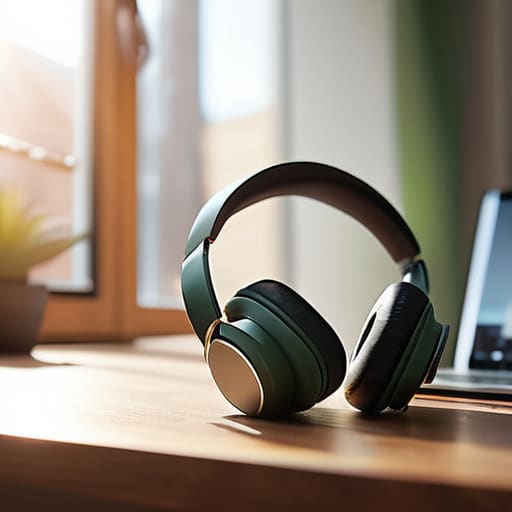
My apartment isn’t exactly a quiet sanctuary, especially when the neighbors decide that 2:00 PM is the perfect time for renovations. I used to try and power through the noise, but I’d just end up frustrated and unproductive. Now, I just reach for my noise-canceling headphones and instantly create a bubble around my desk.
A Second Monitor for the Mental Load
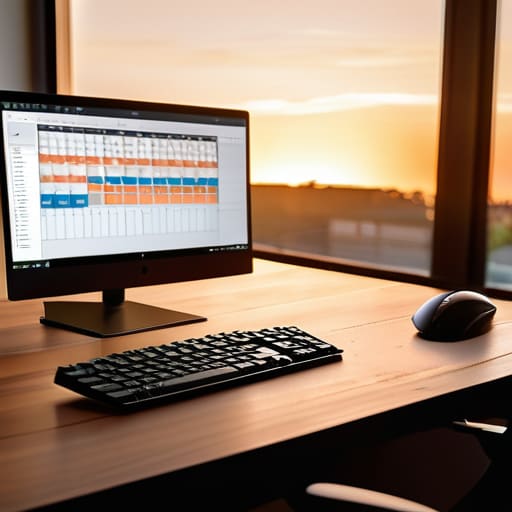
I used to think I could manage everything with just my laptop screen, but I was constantly toggling between tabs like a maniac. It was exhausting. Adding a second monitor was probably the single best thing I did for my sanity. It allows me to keep my main document open on one side while I have my reference materials or calendar visible on the other.
The Analog Safety Net
Even though I live most of my life in digital apps, I still carry a physical pocket planner everywhere. There is a specific kind of cognitive load that comes with trying to remember every tiny task, and sometimes, seeing it written down in ink makes it feel real and finite. Apps are great for reminders, but they can also be a source of endless distraction.
A Dedicated Charging Station
There is nothing quite as soul-crushing as sitting down to start a focused work session only to realize your mouse, headphones, or phone are all sitting at 5% battery. I used to spend half my morning hunting for cables, which is a total waste of the limited energy I have. I finally invested in a decent multi-device charging station to keep everything in one spot.
The Bottom Line
Don’t buy tech just because it looks cool on a desk setup; if a gadget doesn’t actually solve a specific friction point in your day, it’s just more clutter to manage.
The best tools are the ones you can use on autopilot, especially on the days when your willpower is at zero.
Aim for systems that make your life slightly easier, not a collection of complex apps and devices that require constant maintenance.
Finding Your Own Flow
At the end of the day, these gadgets aren’t about turning you into some hyper-efficient machine; they’re just about removing the little bumps in the road. Whether it’s a mechanical keyboard that makes typing feel less like a chore, or a simple timer that keeps you from spiraling into a deep work hole, the goal is to find tools that actually fit into your existing routine. You don’t need to overhaul your entire desk setup or buy every shiny new piece of tech that hits the market. Just pick one or two things that solve a specific, annoying friction point in your day and see if they make life slightly more manageable.
If you’re feeling overwhelmed by the idea of “optimizing” your life, please just stop. We spend so much time worrying about whether our systems are perfect that we forget to actually live within them. The best setup isn’t the one that looks good on a curated Instagram feed; it’s the one that works for you when you’re exhausted, running late, or just plain unmotivated. Focus on those small, repeatable wins that clear a little bit of mental space. Once the clutter—both digital and physical—subsides, you’ll finally have the room to focus on the things that actually matter.
Frequently Asked Questions
Do I really need all these gadgets, or can I just stick to what I already have?
Honestly? No, you don’t. I’m a huge fan of gear, but I’m also a realist. If you’re staring at a new gadget and wondering if it’s actually going to solve a problem or just add more clutter to your desk, it’s probably the latter. Don’t buy things to fix a lack of discipline. Stick to what you have until it actually starts causing friction in your day. Only then is it worth the upgrade.
How much of this is actually worth the money versus just being more digital clutter?
Honestly, most of it is just noise. If a gadget requires a steep learning curve or a monthly subscription just to function, it’s probably more digital clutter than a tool. I only pull the trigger on things that solve a specific, recurring friction point in my day. If it doesn’t save me mental energy when I’m already exhausted, it’s not worth the desk space or the credit card charge. Stick to the basics.
Will adding more tech to my desk just end up making me feel more distracted?
Honestly? It can. If you’re just buying shiny new things to feel like you’re “optimizing,” you’re likely just adding more digital noise to an already loud day. I’ve been there—buying a new mechanical keyboard thinking it would fix my focus, only to spend an hour customizing keycaps. My rule is simple: if a gadget doesn’t solve a specific, recurring friction point in my workflow, it’s just clutter. Buy for utility, not for the dopamine hit.


I believe that life doesn't need to be optimized to perfection, just made slightly more manageable. My goal is to help you find systems that actually work when you're tired, not just when you're motivated. Let's focus on small, repeatable wins that clear the path for what actually matters.