Pro Tips for Cleaning Your Whole House in Record Time
I am so tired of seeing those “aesthetic” cleaning videos where someone spends three hours color-coding their pantry with expensive glass canisters just to feel productive. Honestly, if you need a ten-step ritual and a specialized micro-fiber kit to get your living room in order, you aren’t cleaning; you’re performing. I used to think I needed that level of perfection to stay on top of my apartment, but after years of managing chaotic workflows, I’ve realized that most of that advice is just noise. Real life is messy, and learning how to clean faster isn’t about buying more gadgets—it’s about cutting out the fluff and focusing on the friction points that actually make your space feel livable.
I’m not going to give you a list of impossible chores or tell you to deep-clean your baseboards every Tuesday. Instead, I want to share the low-effort systems I use to keep my home functional even on the days when my brain feels like mush. We’re going to focus on small, repeatable wins that help you reclaim your time without draining your battery. This is about practical efficiency, not perfection.
Minimalist Cleaning Methods for When Youre Running on Empty
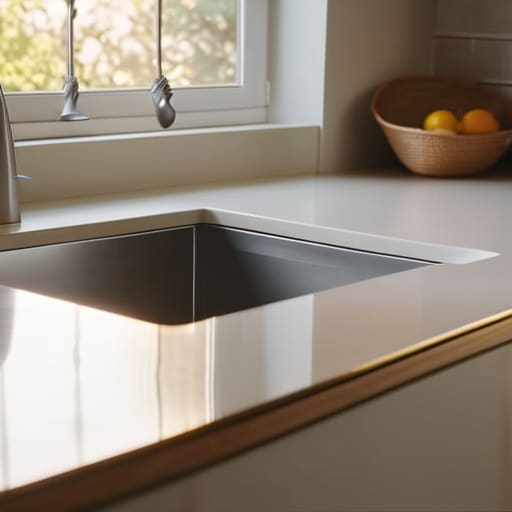
When I’m staring at a sink full of dishes after a ten-hour workday, the last thing I want to do is a deep scrub. That’s when I lean into minimalist cleaning methods that prioritize visibility over perfection. Instead of trying to tackle the whole kitchen, I focus on the “surface reset.” I grab a microfiber cloth and clear just the countertops. If the surfaces are clear, the room feels cleaner, which helps lower my mental load immediately.
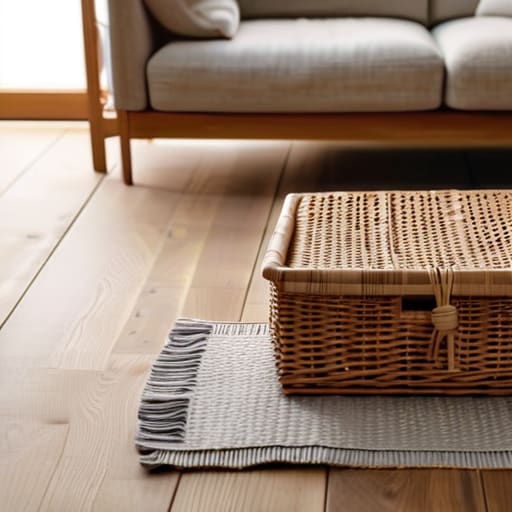
Another trick I use is the “one-basket rule” for decluttering for quick cleaning. I keep a small basket in the living room; if I see things that don’t belong there, I toss them in the basket instead of walking them to their actual homes one by one. I deal with the basket later. This prevents me from getting distracted by a side mission halfway through a task. It’s about maintaining momentum without draining your battery. We aren’t aiming for a showroom; we’re just aiming for a space where you can actually breathe.
A Realistic Daily Cleaning Checklist for Small Repeatable Wins
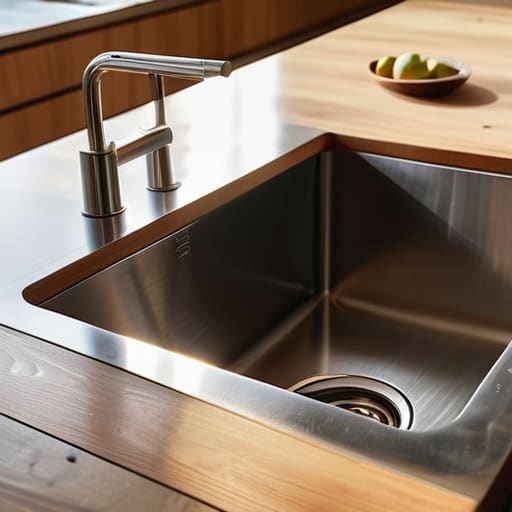
The trick to a sustainable daily cleaning checklist isn’t about checking off twenty different tasks; it’s about choosing the three that actually keep your head above water. I stopped trying to maintain a “showroom” home and started focusing on high-traffic friction points. For me, that means a five-minute sink scrub, clearing the coffee table, and a quick sweep of the kitchen floor. If I do these small things, the house doesn’t feel like it’s collapsing on me by Thursday.
I’ve found that the most effective time-saving cleaning routine is one that requires almost zero decision-making. When I’m tired, I don’t want to wonder what to do next. I keep a tiny list on my fridge—not a complex spreadsheet, just a few bullet points. This approach to decluttering for quick cleaning works because it focuses on surface-level wins. You aren’t deep-cleaning the baseboards; you’re just resetting the space so you can actually breathe when you walk through the door at the end of the day.
Five Ways I Cut Down My Cleaning Time Without Losing My Mind
- Stop the “surface-level” trap. Instead of wandering from room to room picking up random objects, grab a basket and do a single sweep of the whole house to collect everything that’s out of place. It keeps you moving in one direction rather than pacing aimlessly.
- Use the “one-surface” rule when you’re feeling overwhelmed. If you can’t face the whole kitchen, just commit to clearing and wiping the island or the dining table. It creates a visual “reset” that makes the rest of the mess feel less heavy.
- Set a timer for 15 minutes—and actually stick to it. I find that if I tell myself I only have to move for a quarter of an hour, I don’t dread starting. Usually, the hardest part is just breaking the inertia, and once the timer goes off, I’m either done or at least feeling better about the progress.
- Keep your tools where you actually use them. I moved a small stash of cleaning wipes and a microfiber cloth to my desk and the bathroom vanity. If the supplies are already in your hand, you’re much more likely to wipe down a spill immediately instead of letting it become a “project” for later.
- Embrace the “good enough” standard. If the laundry is clean and in a basket, but not folded into perfect squares, that is a win. Don’t let the pursuit of a Pinterest-perfect home turn a simple chore into a three-hour ordeal that leaves you exhausted.
The Bottom Line
Stop aiming for a “perfect” home and start aiming for a “functional” one; a clear kitchen counter is worth more than a dust-free bookshelf when you’re exhausted.
Focus on small, repeatable wins that require zero willpower, so you don’t have to rely on motivation that isn’t there.
Build systems that work for your worst days, not your best ones, to ensure the chaos never truly gets out of hand.
Finding Your Rhythm
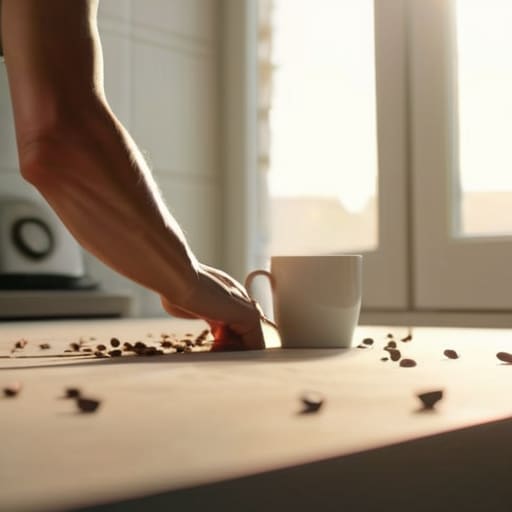
At the end of the day, cleaning faster isn’t about finding some magical, high-speed hack or owning every expensive gadget on the market. It’s really just about lowering the barrier to entry. Whether you’re leaning into those minimalist methods when your energy is low or sticking to a tiny, manageable checklist to keep the chaos at bay, the goal is the same: reducing the friction between you and a functional living space. Remember, it’s better to spend ten minutes clearing one countertop than to spend two hours staring at a messy room feeling too overwhelmed to even start. Focus on the small, repeatable wins that keep your environment from becoming a source of stress.
Please, give yourself some grace. Some weeks, your “clean” is going to look like a polished showroom, and other weeks, it’s just going to be making sure there’s a clear path from the bed to the door. Both are okay. We aren’t aiming for a Pinterest-perfect life; we’re just trying to build systems that actually work when you’re tired. If you can manage to keep the small things under control, you leave more mental space for the stuff that actually matters—like your hobbies, your rest, or just sitting down with a coffee without feeling guilty about the dust. You’ve got this.
Frequently Asked Questions
How do I stop myself from getting distracted by "deep cleaning" things that don't actually matter when I'm in a rush?
I call this “cleaning rabbit holes,” and I used to fall into them constantly. I’ll start by wiping a counter and suddenly I’m reorganizing the spice drawer by color. To stop this, use the “Surface-Level Rule”: if it doesn’t affect the immediate functionality of the room, leave it. If you’re in a rush, your goal is visibility and hygiene, not perfection. If you feel the urge to deep clean, write it in your planner for a “low-energy” day instead.
What are some cleaning tools or supplies that actually save time instead of just taking up space in my cabinet?
Honestly, I used to have a cabinet full of specialized sprays that I barely touched. Now, I stick to the essentials that actually reduce friction. A high-quality microfiber cloth is my MVP—it cuts down on drying time and streakiness. I also swear by an all-purpose cleaner and a spray bottle of diluted white vinegar for quick wipe-downs. If you want to save real time, get a cordless handheld vacuum; it’s much faster than dragging out the heavy upright for small messes.
I struggle with starting; is there a way to make the first five minutes of cleaning feel less overwhelming?
The trick is to lower the bar until it’s practically on the floor. I call it the “Five-Minute Micro-Burst.” Don’t think about “cleaning the kitchen”; just tell yourself you’re going to clear the drying rack. That’s it. Set a timer on your phone—it makes it feel like a game rather than a chore. Usually, once the friction of starting is gone, you’ll keep going, but if you stop after five minutes? That’s still a win.


I believe that life doesn't need to be optimized to perfection, just made slightly more manageable. My goal is to help you find systems that actually work when you're tired, not just when you're motivated. Let's focus on small, repeatable wins that clear the path for what actually matters.