How to Achieve a Minimalist Aesthetic Without a Cold Feeling
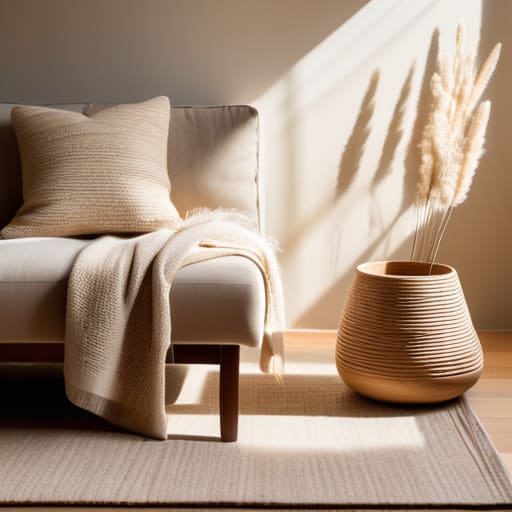
I used to think that following “minimalist home tips” meant I had to live in a sterile, white-walled box with exactly one succulent and zero personality. I spent way too much time and money trying to curate a “perfect” space, only to realize that a house without any stuff just feels lonely and, frankly, impossible to maintain once you actually start living in it. Real minimalism isn’t about owning nothing; it’s about making sure the things you actually use don’t end up becoming a source of constant, low-grade anxiety every time you walk through the door.
I’m not here to sell you on a lifestyle of deprivation or expensive, aesthetic storage bins that you’ll eventually stop using. Instead, I want to share the low-friction systems I’ve actually managed to keep running in my own apartment, even on the days when I’m too exhausted to care. We’re going to focus on manageable wins—practical ways to clear the clutter that actually stick, so your home feels like a place where you can finally breathe.
Decluttering Techniques for Beginners When Youre Exhausted
When you’re running on fumes after a long shift, the thought of a “deep clean” feels physically impossible. Most decluttering techniques for beginners assume you have a burst of motivation and a color-coded bin system ready to go, but let’s be real: most days, we just have a pile of mail and a heavy sense of dread. Instead of trying to overhaul a whole room, I use the “Five-Item Rule.” I tell myself I only have to find five things to move, toss, or donate. It’s a tiny, low-stakes way of reducing household clutter without the mental tax of a massive project.
If even five items feels like too much, try the “Surface Reset.” Pick one flat surface—maybe your coffee table or that one chaotic corner of the kitchen counter—and clear it completely. Don’t worry about the drawers or the closet right now; just focus on creating one small pocket of visual peace. Creating these intentional living spaces doesn’t require a total lifestyle overhaul. It’s just about reclaiming one square foot at a time so your eyes have a place to rest when you finally sit down.
Reducing Household Clutter Without the Perfectionist Burnout
The biggest mistake I see people make is treating decluttering like a high-stakes home renovation project. We see those “before and after” photos on Instagram and think we need to achieve a flawless minimalist aesthetic decor by Sunday afternoon. That’s a one-way ticket to burnout. Instead, I’ve learned to approach reducing household clutter through the lens of utility rather than perfection. If an item doesn’t serve a functional purpose or bring you genuine calm, it’s just taking up mental bandwidth.
I like to apply a bit of a “capsule wardrobe” mentality to my living spaces. Just like you wouldn’t keep twenty different versions of the same basic white t-shirt, you don’t need five different half-broken spatulas or a drawer full of random charging cables you haven’t used since 2019. When you focus on intentional living spaces, you stop asking “Can I keep this?” and start asking “Does this actually belong in my daily rhythm?” It’s about curating a home that supports your life, not a museum that demands constant maintenance.
Small Wins: 5 Ways to Keep the Chaos at Bay
- The One-In, One-Out Rule. It’s not about being a monk; it’s about math. If I buy a new mechanical keyboard switch set or a new plant pot, one old thing has to go. It prevents that slow, creeping accumulation of “stuff” that eventually makes a room feel claustrophobic.
- The “Surface Reset” Habit. Instead of trying to clean the whole apartment, I just focus on the flat surfaces—the kitchen island, the coffee table, my desk. If the surfaces are clear, the visual noise drops significantly, even if there’s still a pile of laundry on the chair.
- Stop the “Just in Case” Hoarding. We’ve all done it—keeping a box of tangled cables or a gadget we haven’t touched since 2019 “just in case.” If you haven’t reached for it in a year, you probably won’t. Let it go. You can always buy it again if a true emergency arises.
- Create a “Landing Strip” by the Door. I keep a small tray for my keys, my wallet, and my physical planner. By giving these daily essentials a dedicated home, I stop the frantic 8:00 AM scavenger hunt that sets a stressful tone for the rest of my day.
- Use the “Container Concept.” Think of your shelves or your junk drawer as a container with a fixed limit. Once the drawer is full, you can’t add more without taking something out. It turns organization from a vague goal into a physical reality.
The Low-Energy Summary
Stop aiming for a “reset” and start aiming for “maintenance”—focus on clearing one surface or one drawer at a time rather than tackling an entire room.
If a system requires high motivation to maintain, it’s a bad system; choose storage and habits that work even on the days you’re running on fumes.
Forgive yourself for the mess; the goal isn’t a museum-quality home, it’s just creating enough physical breathing room to lower your daily stress.
The Small Win Approach
At the end of the day, minimalism isn’t about achieving some sterile, museum-like aesthetic that looks great in a photo but feels cold to live in. It’s about the practical stuff we’ve talked about: using low-energy decluttering methods when you’re drained, avoiding the perfectionist trap, and focusing on functional spaces rather than curated ones. Whether you’re just clearing off one single countertop or finally tackling that “doom pile” in the corner of your bedroom, you are making progress. The goal isn’t to have a perfect house; it’s to create a home that actually supports your real life instead of adding more mental weight to your to-do list.
If you feel overwhelmed right now, please just remember that you don’t have to do it all this weekend. You don’t even have to do it all this month. Minimalism is a practice, not a destination, and some days your only “win” might be putting your keys in the designated bowl instead of leaving them on the kitchen table. Be kind to yourself on the days when the clutter wins. Just aim for small, repeatable wins that make your environment feel a little more manageable. Once you clear a little bit of the physical noise, you’ll find you have a lot more room to breathe.
Frequently Asked Questions
How do I decide what's actually "clutter" versus things I might actually need later?
The “maybe” pile is a trap. I used to hold onto everything “just in case,” but that just creates mental noise. My rule is simple: if you haven’t touched it in a year and it doesn’t serve a specific, recurring purpose, it’s clutter. If you’re really struggling, put those “maybe” items in a box, tape it shut, and date it six months from now. If you don’t open it by then, you didn’t actually need it.
What do I do with all the stuff I declutter so it doesn't just end up back in my house?
The “doom pile” is real, and if you just shove decluttered items into a corner, they’ll eventually migrate back to your shelves. I’ve learned that the key is having a designated exit strategy before you start. If it’s good, get it to a local charity or a Buy Nothing group immediately. If it’s trash, get it out of the house today. Don’t let “to-be-donated” boxes become permanent furniture.
How can I keep things organized when my schedule gets chaotic and I don't have time for a deep clean?
When things go sideways, I stop trying to “clean” and start trying to “reset.” I use the five-minute sweep: pick one surface—usually the kitchen counter or my desk—and clear it completely. It’s not a deep clean, but it stops the visual noise from compounding. If I can’t do a task properly, I don’t do it at all. Just focus on one small, repeatable win that keeps the chaos from feeling permanent.


I believe that life doesn't need to be optimized to perfection, just made slightly more manageable. My goal is to help you find systems that actually work when you're tired, not just when you're motivated. Let's focus on small, repeatable wins that clear the path for what actually matters.