Simple Tricks to Instantly Make Any Room Feel Cozier
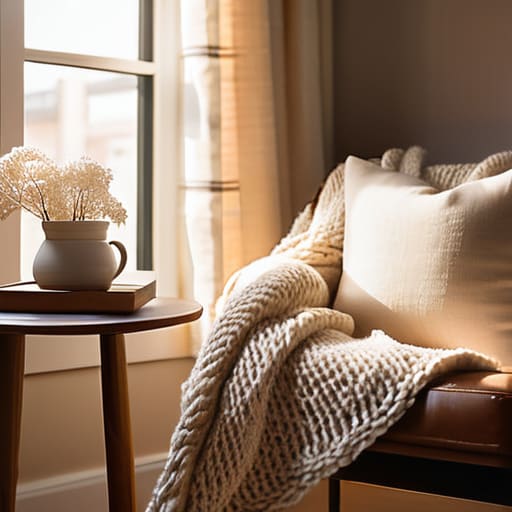
I’m going to be blunt: you don’t need to spend three months’ rent on a designer velvet sofa or a curated collection of expensive ceramics to achieve a “hygge” lifestyle. I used to think that way too, back when I was trying to turn my first apartment into a staged showroom, only to realize I was too intimidated by my own furniture to actually sit down and relax. The truth is, most of the advice you see online about how to make your home cozy is just high-end consumerism disguised as comfort. If your “sanctuary” requires a professional organizer and a massive credit limit just to feel inviting, it isn’t working for you; it’s working for the brands.
I’m not here to sell you a lifestyle aesthetic or a shopping list of things you don’t need. Instead, I want to share the low-friction systems I’ve actually implemented in my own space to make it feel like a soft landing at the end of a long workday. We’re going to focus on small, repeatable shifts—like lighting, texture, and layout—that work even when you’re too tired to try. My goal is to show you how to build a space that feels genuinely restorative, not just one that looks good in a photo.
Warm Lighting Techniques for Living Rooms When Youre Tired
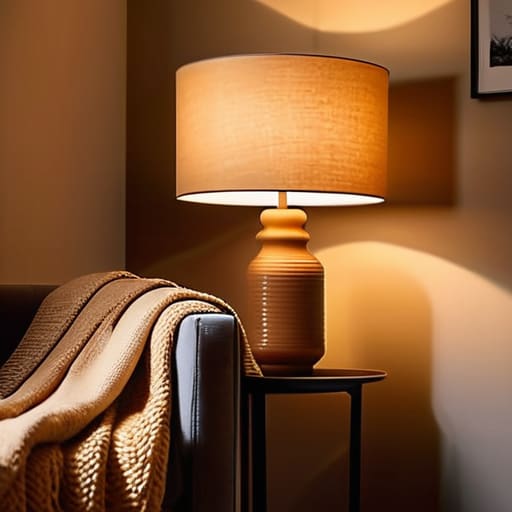
If you’re anything like me, the last thing you want to do after a ten-hour workday is fiddle with a complex smart-home setup. The easiest way to implement warm lighting techniques for living rooms is to stop relying on that single, aggressive overhead light that makes your apartment feel like a sterile doctor’s office. Instead, aim for “layering.” Grab a cheap floor lamp or a small table lamp with a warm-toned bulb and tuck it into a corner. When I’m too drained to clean or organize, just turning off the big light and switching on two small, amber-hued lamps instantly signals to my brain that the workday is officially over.
Don’t feel pressured to buy expensive designer fixtures to achieve this. It’s more about the placement of the light than the price tag. I like to place a small lamp near my indoor plants; the way the light filters through the leaves adds a bit of natural depth without requiring any extra effort. It’s one of those small, repeatable wins that makes creating a hygge sanctuary feel less like a chore and more like a natural byproduct of your evening routine.
Using Neutral Color Palettes for Comfort Without the Stress
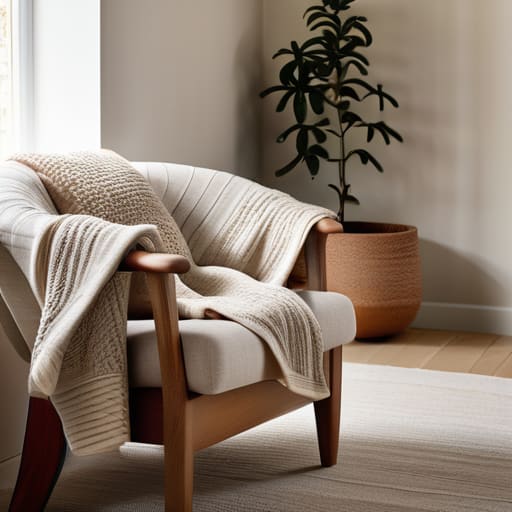
I used to think that making a space feel “cozy” meant buying every velvet pillow and gold-rimmed candle on the market. But after a few years of living in tiny apartments, I’ve realized that visual clutter is the enemy of relaxation. If your eyes are constantly jumping from a bright red rug to a neon blue cushion, your brain never actually settles. This is where neutral color palettes for comfort become a lifesaver. I lean heavily into oatmeal, soft greys, and muted sands because they act as a quiet backdrop. They don’t demand your attention; they just let you be.
The trick isn’t to make everything look like a beige hospital room, though. That’s just sterile, not cozy. To avoid that, I focus on layering different textures instead of adding more colors. Think a chunky knit throw over a linen sofa, or a jute rug under a soft cotton mat. By mixing these textiles for a cozy atmosphere, you create depth and warmth without the sensory overload. It’s about building a space that feels grounded and calm, even on the days when your brain feels like it has fifty tabs open at once.
Five Low-Stakes Ways to Soften Your Space
- Stop trying to style your pillows like a showroom. Just grab the softest ones you own, toss them on the couch, and don’t worry about the “perfect” arrangement. If it feels good to lean against, it’s doing its job.
- Create a “sensory reset” corner. It doesn’t have to be a whole room—just one chair or a specific spot on the rug with a dedicated blanket and maybe a candle. When the workday feels like too much, that’s your designated zone for doing absolutely nothing.
- Bring in some life, but keep it low-maintenance. I’m a big indoor gardener, but I’ve learned the hard way that high-maintenance plants just add more “to-do” stress. Stick to a pothos or a snake plant; they thrive on neglect, which is exactly what we need on busy weeks.
- Clear the visual noise. You don’t need a deep clean, but clearing just one surface—like your coffee table or the kitchen island—makes a huge difference. A cluttered surface makes a room feel frantic; a clear one lets your brain actually settle.
- Layer in textures that actually feel good. Swap out that stiff, synthetic throw for something with a bit of weight or a soft knit. It’s a small tactile shift, but it’s the kind of thing that signals to your nervous system that it’s finally time to clock out.
The Low-Maintenance Cozy Checklist
Stop chasing a “magazine look” and focus on sensory comfort—think soft textures and warm light rather than expensive decor.
Stick to a neutral base to avoid visual clutter, which helps lower your mental load when you walk through the door.
Build systems that work for your tired self, like keeping a single throw blanket and a dimmable lamp within arm’s reach.
Making it Work for You
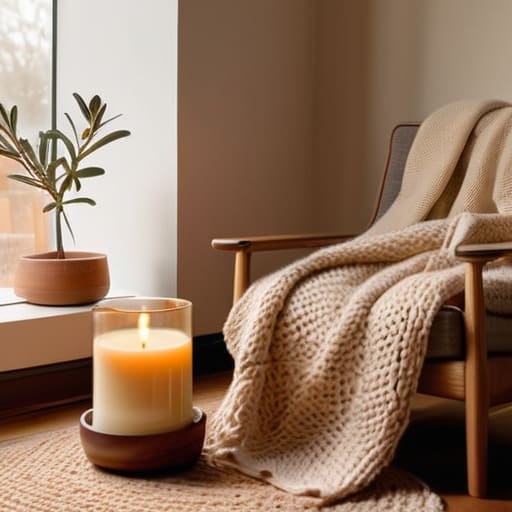
At the end of the day, creating a cozy home isn’t about a total renovation or buying every expensive candle on the market. It’s really just about the small, intentional shifts we discussed: swapping out those harsh overhead lights for something warmer, leaning into a neutral palette that doesn’t strain your eyes, and setting up a space that feels genuinely restorative. You don’t need to overhaul your entire apartment in a weekend. Just pick one thing—maybe it’s dimming the lights tonight or finally clearing that one cluttered corner—and let that be your win. The goal is to build a foundation that supports you when you’re too drained to be productive.
Please remember that your home should serve you, not the other way around. If a “perfect” aesthetic feels like another chore on your to-do list, drop it. A cozy home is one that feels safe and easy to exist in, even when the laundry is piled high and you’re running on four hours of sleep. Focus on the sensory details that actually ground you, and let the rest go. You aren’t designing a showroom; you’re building a sanctuary for your real, messy, beautiful life. Take it one small step at a time.
Frequently Asked Questions
How do I make a space feel cozy if I’m renting and can't paint the walls or change the lighting fixtures?
The “renter’s dilemma” is real, and honestly, it’s where most of my best low-effort wins happen. Since you can’t touch the walls, focus on what you can layer. Think heavy textures—a chunky knit throw or a jute rug—to mask those sterile rental floors. Use plug-in dimmers or smart bulbs to fix the lighting without rewiring anything, and lean heavily into command hooks for art. It’s about softening the edges of a space you don’t own.
I love the idea of textures, but how do I layer blankets and pillows without my living room looking like a cluttered mess?
The trick is to follow a “rule of three” so it feels intentional rather than accidental. Start with your largest, heaviest texture—like a chunky knit throw—on the sofa. Then, layer two pillows in different sizes but similar tones. If you mix a velvet pillow with a linen one, keep the colors in the same family. It adds depth without the visual noise. If it starts looking like a pile of laundry, pull one thing back.
What are some low-maintenance ways to add life to my home if I don't have a green thumb like a plant person?
If you’re anything like me, you want the greenery without the guilt of a dying fiddle-leaf fig. Honestly, start with high-quality dried florals or even some eucalyptus in a vase; they look intentional and require zero water. If you really want something living, go for a Snake Plant or a Pothos. They’re basically indestructible and actually thrive on a bit of neglect, which is perfect for when life gets chaotic.


I believe that life doesn't need to be optimized to perfection, just made slightly more manageable. My goal is to help you find systems that actually work when you're tired, not just when you're motivated. Let's focus on small, repeatable wins that clear the path for what actually matters.