Creative Living Room Arrangements for Small or Oddly Shaped Rooms
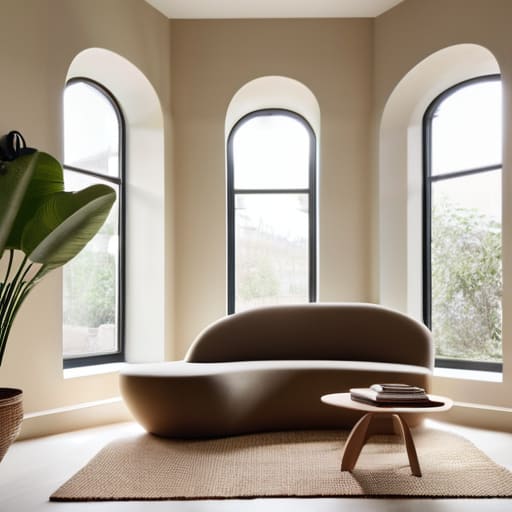
I’m so tired of seeing those Pinterest-perfect living rooms where every piece of furniture looks like it was placed by a professional stager with nothing to do but stare at a room. We’ve all seen them: the layouts that look stunning in a still photo but are completely useless the second you actually try to live in them. You sit down to watch a movie and realize you’re staring at the back of a chair, or you try to walk to the kitchen and end up doing a frantic little dance around a coffee table that’s way too big for the space. Most living room layout ideas online assume you have a massive, open-concept floor plan and zero actual clutter, but that’s just not how real life works.
I’m not here to sell you on a high-end interior design overhaul or tell you to buy a $3,000 sectional. Instead, I want to share some low-friction setups that actually make sense for your daily routine. We’re going to look at how to arrange your space so it works when you’re exhausted, when you have guests over, or when you just need a clear path to the snack cupboard. My goal is to help you find a configuration that feels manageable and functional, rather than just another project on your never-ending to-do list.
Small Living Room Floor Plans That Dont Feel Cramped
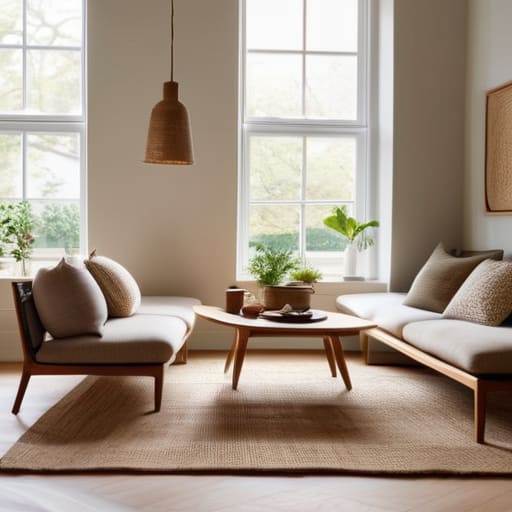
When you’re working with a tight footprint, the instinct is to push every single piece of furniture against the walls to “create space.” In reality, that usually just makes the room feel like a waiting area at a doctor’s office. Instead, I’ve found that the secret to effective small living room floor plans is actually embracing the center of the room. If you can, pull your seating even just a few inches away from the perimeter. It creates a sense of breathing room that makes the walls feel less like they’re closing in on you.
The real goal is managing your living room traffic flow so you aren’t constantly doing a weird side-shuffle to get to the kitchen. I like to prioritize a clear path from the entrance to the main seating area. If you have a larger piece, like a loveseat or a compact sofa, try to use it to define the space rather than block it. If you can create a tight conversation circle seating arrangement, even in a tiny corner, the room will feel intentional rather than cluttered. It’s about making the space feel like a destination, not just a hallway you walk through.
Sectional Sofa Positioning for Maximum Relaxation
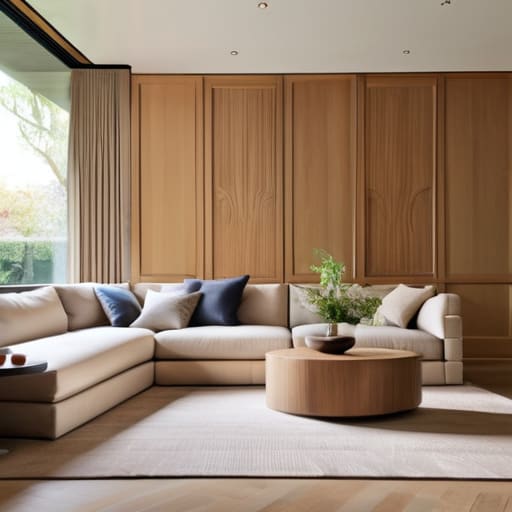
If you’re lucky enough to have a sectional, you know they are the ultimate comfort hack, but they can also act like a giant, fabric barricade if you don’t place them correctly. I used to shove mine right against the longest wall because I thought it saved space, but I ended up making the room feel like a waiting room. Instead, try to use the back of the sofa to actually define the space. If you have an open concept living area arrangement, the sectional can act as a soft boundary that separates your lounging zone from the dining area or entryway without needing a literal wall.
The real trick to sectional sofa positioning is prioritizing your living room traffic flow. You don’t want to have to shimmy sideways past the chaise just to get to the kitchen. Aim to leave a clear, wide path for walking, and try to orient the “L” shape so it frames your main view—whether that’s a window or the TV. It’s not about following a strict design rulebook; it’s about making sure you aren’t constantly bumping into furniture when you’re trying to unwind.
Five ways to fix your layout without a total renovation
- Stop pushing every single piece of furniture against a wall. It feels intuitive, but it actually makes a room feel hollow and awkward. Pulling your sofa even just three inches away from the wall creates “breathing room” that makes the whole space feel less claustrophobic.
- Map out your “traffic lanes” before you commit to a heavy coffee table. If you have to do a weird sidestep or a shimmy just to get from the kitchen to the armchair, your layout is working against you. You want clear, straight paths so you aren’t tripping over things when you’re walking through the dark at night.
- Use a rug to define the “zone,” even if you don’t have walls. If your living area is part of a larger open space, a rug acts like an invisible boundary. Just make sure at least the front legs of your seating are touching it; otherwise, the furniture looks like it’s just floating aimlessly in the middle of the room.
- Prioritize your “view” based on how you actually spend your time. If you’re a Netflix person, the layout should revolve around the screen. If you actually want to talk to people, face the chairs toward each other. Don’t set up a room for how you think you should live; set it up for how you actually spend your Tuesday nights.
- Don’t overlook the lighting layers. A single, harsh overhead light can make even the best layout feel clinical and cold. Instead, tuck a small lamp in a corner or near a reading chair. It fills the “dead zones” in your floor plan and makes the room feel cohesive and intentional rather than just a collection of furniture.
The Bottom Line for Your Living Room
Stop trying to follow a designer’s rulebook; if a layout makes it easier for you to walk from the door to the coffee maker without stumbling, it’s a win.
Prioritize “flow” over “looks”—ensure there’s enough breathing room around your furniture so the space feels like a place to rest rather than a hurdle course.
Focus on one small change at a time, like shifting a chair or clearing a walkway, instead of trying to overhaul the entire room in one exhausted weekend.
Final Thoughts on Your Space
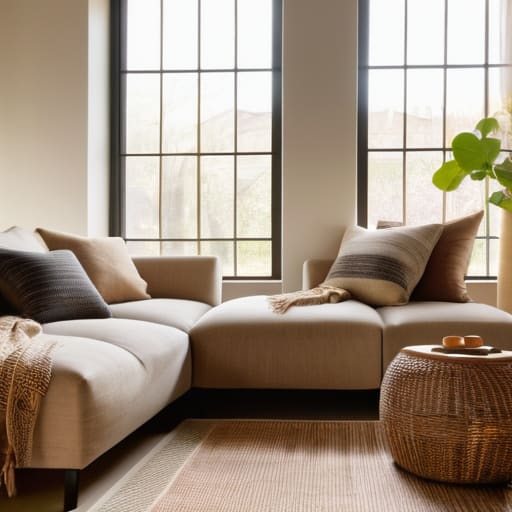
At the end of the day, rearranging your living room isn’t about following a strict design rulebook or achieving that untouchable Pinterest aesthetic. It’s about making sure your sectional actually supports your nap schedule and that your small floor plan doesn’t feel like a hurdle every time you walk through the door. Whether you’re focusing on maximizing every square inch of a tight apartment or just trying to find the perfect angle for your sofa to face the TV, the goal is simple: reduce the friction in your daily routine. If a layout makes it easier to move around or more comfortable to unwind, you’ve already won.
Don’t let the fear of making a “wrong” choice keep you stuck in a room that feels chaotic or cramped. Furniture is heavy and moving it is a pain, but your space should work for you, not against you. If a layout feels off after a week, just shift it back. Life is too short to live in a room that feels like a puzzle you can’t solve. Focus on small, functional wins that make your home feel like a sanctuary rather than another task on your to-do list. Just start moving things, and see how it feels.
Frequently Asked Questions
How do I arrange my furniture if my living room is just a long, awkward rectangle?
The “bowling alley” living room is my personal nemesis. When you’re dealing with a long, narrow rectangle, the instinct is to line everything up against the walls, but that just makes it feel like a hallway. Instead, try to create “zones.” Use a rug or the back of your sofa to break the room into two distinct areas—maybe a cozy seating nook at one end and a small desk or reading corner at the other. It stops the room from feeling like one endless, awkward strip.
Is it worth getting a massive sectional if I live in a smaller apartment, or will it just swallow the whole room?
Honestly? Only if you’re okay with your living room becoming a “sofa room.” In a smaller apartment, a massive sectional is a high-stakes move. It’s incredibly cozy for movie nights, but it can visually swallow the floor plan and make everything feel cramped. If you love lounging, go for it, but measure twice. If you need space to actually move around or host people, a standard sofa with an ottoman is a much safer, more flexible bet.
How can I create a separate "work zone" in my living room without it feeling like my office is invading my relaxation space?
The trick is visual boundaries. If your laptop is always staring at you from the coffee table, you’re never actually relaxing. I use a small, dedicated desk tucked into a corner, but the real win is the “out of sight” rule. When the workday ends, I close my laptop and literally put it in a drawer or a decorative basket. If you can’t see the work, your brain can finally stop processing it.


I believe that life doesn't need to be optimized to perfection, just made slightly more manageable. My goal is to help you find systems that actually work when you're tired, not just when you're motivated. Let's focus on small, repeatable wins that clear the path for what actually matters.