Easy Steps to Live a More Sustainable Lifestyle at Home
I used to feel this intense, crushing guilt every time I tossed a plastic yogurt container into the trash, like I was personally responsible for the entire ocean’s plight. I’d scroll through social media and see these influencers living in perfectly curated, zero-waste sanctuaries that looked more like museum exhibits than actual homes. It honestly felt like you couldn’t claim any “eco friendly home tips” were valid unless you were willing to spend your entire Saturday making homemade oat milk and composting in a high-tech, $500 bin. It’s exhausting, and frankly, it’s a recipe for burnout rather than actual change.
I’m not here to sell you on a lifestyle that requires a PhD in sustainability or a massive budget. Instead, I want to share the low-friction shifts that actually stick when you’re halfway through a long workday and just want to sit down. We’re going to focus on small, repeatable wins—the kind of practical adjustments that reduce your footprint without making your life feel like a second, unpaid job. Let’s look at what actually works when you’re tired, not just when you’re feeling inspired.
Small Wins for Reducing Household Carbon Footprint
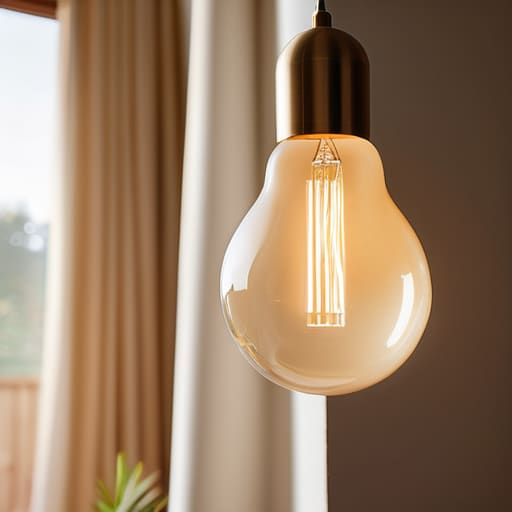
If you’re feeling overwhelmed by the idea of a total lifestyle overhaul, stop. You don’t need to go out and buy a solar array or a compost tumbler tomorrow. For me, reducing household carbon footprint started with the low-hanging fruit—the stuff that actually saves me money and mental energy. I started by swapping out my old, clunky lightbulbs for LEDs and finally getting around to those minor energy efficient home upgrades like weatherstripping my front door. It’s not glamorous, but it keeps the heat in and my utility bills from spiking, which is a win in my book.
Another area where I found some easy momentum was in the kitchen and cleaning closet. I stopped buying those massive, single-use plastic spray bottles and switched to concentrated refills. It’s one less thing to lug from the grocery store, and it keeps my under-sink clutter to a minimum. These aren’t radical shifts, just small, repeatable wins that keep things running smoothly without requiring a massive burst of motivation.
Easy Zero Waste Lifestyle Hacks That Actually Stick
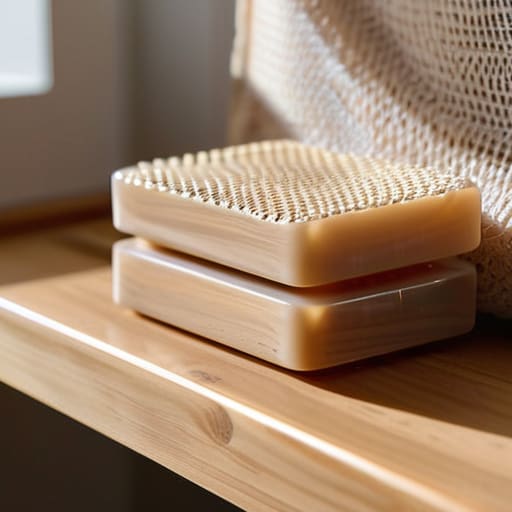
The biggest mistake I see people make when trying to go green is thinking they need to overhaul their entire pantry in one weekend. That is a fast track to burnout. Real zero waste lifestyle hacks are about the swaps you don’t even have to think about once they’re in place. For me, that was switching to bar soap and shampoo bars. It sounds intimidating, but it actually declutters my shower shelf and means I’m not constantly wrestling with half-empty plastic bottles. If you can manage one small change—like keeping a reusable mesh bag in your purse for produce—you’re already winning.
Another area where I found success without much effort was in the kitchen. Instead of buying those expensive, specialized “eco” gadgets, I just started repurposing what I already had. Old cotton t-shirts became cleaning rags, which saved me from buying disposable paper towels. When I do need to restock, I look for eco friendly cleaning products in bulk or concentrated forms to cut down on the sheer amount of packaging coming through my door. It’s about being intentional, not perfect.
Low-Maintenance Shifts for Your Space
- Stop buying paper towels for every little spill. I finally switched to a stack of decent microfiber cloths and some old cut-up t-shirts; it saves me money and keeps a mountain of paper waste out of my bin.
- Audit your lightbulbs when you actually have the energy to change them. Swapping to LEDs isn’t a massive lifestyle overhaul, but it’s one of those “set it and forget it” wins that lowers your energy draw without you having to think about it again.
- Don’t feel pressured to start a complex composting system if you don’t have a yard. Even just getting a small, sealed bin for your countertop to collect scraps makes the transition to more sustainable food habits a lot less messy and intimidating.
- Check your water temperature before you start a load of laundry. Washing in cold water is much easier on your clothes and your utility bill, and honestly, most modern detergents work just fine without the extra heat.
- Before you hit “buy” on that next home gadget or decor piece, wait forty-eight hours. Most of the time, I realize I don’t actually need it, which is the easiest way to curb mindless consumption and keep my apartment clutter-free.
The Low-Stress Summary
Don’t aim for a perfect zero-waste life by Tuesday; just focus on one or two swaps that actually fit into your current routine without adding more mental clutter.
Prioritize high-impact, low-effort changes—like switching to reusable kitchen basics—rather than stressing over complex lifestyle overhauls that you’ll likely abandon when work gets busy.
Remember that sustainability is about consistency, not intensity. A small, repeatable habit you actually keep is better than a massive eco-project that burns you out in a week.
Finding Your Own Rhythm

At the end of the day, we’ve covered a lot of ground—from tweaking your energy usage to making those small, low-effort swaps in your kitchen that actually reduce waste. It can feel like a lot when you look at the whole picture, but remember that you don’t have to overhaul your entire existence by Monday morning. The goal isn’t to reach a state of perfect, zero-waste enlightenment; it’s about building systems that make the sustainable choice the easiest one to make when you’re exhausted after a long shift. Whether it’s finally switching to reusable produce bags or just being more mindful of your electricity, these small, repeatable wins are what actually move the needle without burning you out.
If you’re feeling overwhelmed by the sheer scale of environmental issues, just take a breath and look at your own four walls. You don’t need to be a perfect environmentalist to make a difference; you just need to be someone who cares enough to try. Focus on the habits that feel sustainable for your lifestyle, not just the planet. When we stop chasing perfection and start focusing on what’s actually manageable, we create a version of eco-friendly living that actually lasts. Let’s just focus on making things a little bit better, one small, practical step at a time.
Frequently Asked Questions
How do I actually know if a product is truly eco-friendly or if it's just clever marketing?
Honestly, it’s exhausting trying to untangle real sustainability from “greenwashing.” My rule of thumb? Look past the leafy green packaging and the word “natural”—those are huge red flags. I look for specific, third-party certifications like B Corp or Leaping Bunny. If a brand makes huge, vague claims about “saving the Earth” without citing actual materials or supply chain details, I assume it’s just clever marketing. If they can’t explain it simply, I don’t buy it.
I want to start composting, but my apartment is tiny—is there a way to do this without it smelling like a disaster?
I totally get it—the idea of a rotting bin in a small apartment is a nightmare. Honestly, skip the big backyard bin and look into Bokashi. It’s a fermentation system that uses a specific bran to break down scraps in a sealed bucket. Since it’s airtight, there’s no smell, and it even handles things like citrus or dairy that usually cause issues. It’s small, tucked under the sink, and actually manageable.
Is it actually worth the extra money to buy sustainable versions of everything, or should I just stick to what I have until it breaks?
Honestly? Don’t replace things just to be “green.” That’s just more consumption in a different wrapper. If your current plastic Tupperware is still holding leftovers without leaking, keep using it. The most sustainable thing you can do is actually use up what you already own. Save your extra budget for when something truly fails—then, look for the high-quality, durable version. It’s better to buy one good thing later than ten “eco” things now.


I believe that life doesn't need to be optimized to perfection, just made slightly more manageable. My goal is to help you find systems that actually work when you're tired, not just when you're motivated. Let's focus on small, repeatable wins that clear the path for what actually matters.