How to Stop Mold From Developing in Your Home

I used to think that preventing mold meant buying every overpriced, “industrial-strength” spray the supermarket shoved in my face, or spending my entire Saturday scrubbing baseboards with a toothbrush. But honestly? Most of that high-intensity cleaning advice is just noise designed to make you feel like you’re failing if you aren’t running a hazmat suit through your hallway. I learned the hard way during a particularly rainy spring in my first apartment that knowing how to prevent mold isn’t about a massive, exhausting deep-clean ritual; it’s actually about managing airflow and catching the small stuff before it turns into a permanent resident in your drywall.
I’m not here to give you a complicated checklist that requires a PhD in chemistry or three hours of free time you don’t have. Instead, I want to share the low-effort, actually sustainable habits I’ve built into my own routine to keep my space dry and my lungs clear. We’re going to focus on a few small, repeatable wins—like how I handle my bathroom ventilation and what I do with my indoor plants—that stop the problem before it starts. Let’s get your home back to being a place of calm, rather than another source of unnecessary stress.
Controlling Indoor Moisture Levels When Youre Exhausted
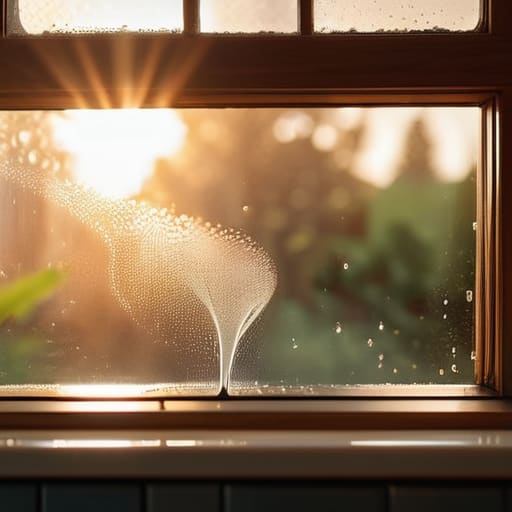
When I’m running on empty after a long workday, the last thing I want to do is a deep-dive inspection of my baseboards. But honestly, the easiest way to handle this is to stop the moisture before it even settles. If you notice constant fogging or water droplets on your glass, you’re dealing with preventing condensation on windows issues, which is usually just a sign that your air is too heavy. I’ve found that simply keeping a window cracked for ten minutes while I cook or shower makes a massive difference without requiring any actual “cleaning” energy.
If you don’t have the bandwidth to constantly manage airflow, I’m a huge advocate for letting technology do the heavy lifting. Investing in a decent dehumidifier is one of those rare instances where the dehumidifier benefits for mold prevention actually live up to the hype. I set mine to a specific percentage and then—this is the important part—I forget about it. It’s a set-it-and-forget-it system that keeps the humidity in a safe zone, so I don’t have to spend my weekends scrubbing damp walls just because I was too tired to open a window.
Small Wins Dehumidifier Benefits for Mold Prevention
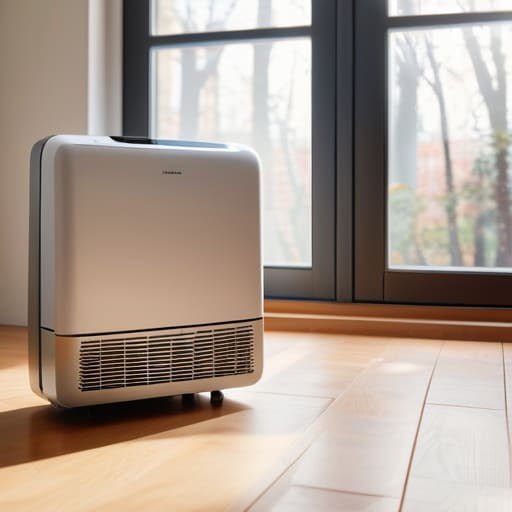
If you’re anything like me, you don’t want to spend your weekends monitoring hygrometers or chasing damp spots around the house. This is where a dehumidifier becomes a total game-changer. I used to think they were just extra clutter, but once I realized how much they help with controlling indoor moisture levels, I couldn’t go back. Instead of constantly worrying about the air feeling “heavy” or seeing that telltale fogging on the glass, you just set the machine, let it do its thing, and reclaim your mental space.
The real dehumidifier benefits for mold prevention show up in the little things—like finally preventing condensation on windows during those humid summer months or damp transitions in the fall. It’s one of those “set it and forget it” tools that actually delivers on its promise. You aren’t just fighting a battle against spores; you’re creating an environment where they simply can’t thrive in the first place. It’s a low-effort way to keep your home feeling dry and stable without needing a massive lifestyle overhaul.
Low-Lift Habits to Keep the Dampness at Bay
- Don’t let your laundry sit in the machine. I know it’s tempting to leave that damp load overnight, but that’s basically a petri dish waiting to happen. Get it in the dryer or on a rack immediately to stop that musty smell before it starts.
- Check your window seals once a season. You don’t need a full home inspection, but if you feel a draft or see condensation pooling in the corners, a quick bead of caulk can stop moisture from seeping into your walls where you can’t see it.
- Keep your furniture a few inches away from the walls. It sounds weird, but if you push your sofa or dresser flush against a cold exterior wall, you’re trapping air and moisture in that gap. Giving things a little breathing room prevents those hidden dark spots from growing.
- Be realistic about your plants. I love my indoor garden, but overwatering is a recipe for mold. If you notice a layer of fuzz on the soil, you’re likely keeping the area too damp. Stick to a schedule and let the top inch of soil dry out first.
- Clean your drains without making a production of it. A quick splash of white vinegar down the sink once a week keeps organic buildup from turning into a slimy, mold-prone mess. It takes thirty seconds and saves you a massive headache later.
The Bottom Line: Keeping It Manageable
You don’t need a constant battle with moisture; just focus on the high-impact habits like running the bathroom fan and letting your appliances breathe.
Invest in a decent dehumidifier if you can—it’s one of those rare pieces of tech that actually pays for itself by saving you from a massive, expensive cleaning headache later.
Aim for consistency over perfection. It’s better to do small, low-effort moisture checks once a week than to wait until you see a spot and realize you have to scrub the whole wall.
The Bottom Line
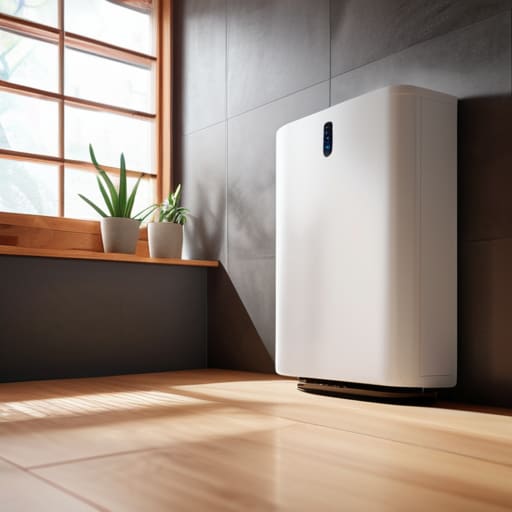
At the end of the day, preventing mold isn’t about achieving some impossible standard of clinical cleanliness; it’s about managing the variables you actually have control over. We’ve talked about keeping the air moving, running that bathroom fan, and letting a dehumidifier do the heavy lifting when you simply don’t have the bandwidth to monitor humidity levels manually. It’s a combination of low-effort habits and the right tools that keeps your space breathable. You don’t need to overhaul your entire cleaning routine or buy every expensive gadget on the market. Just focus on the moisture-control basics—ventilation, airflow, and keeping things dry—and you’ll have already won most of the battle.
I know how it feels when even the smallest household task feels like a mountain, especially after a long week of managing spreadsheets and deadlines. But remember, these aren’t extra chores to add to your to-do list; they are small, preventative investments in your own peace of mind. By setting up these tiny systems now, you’re preventing a much larger, much more stressful problem from landing on your plate later. Let’s aim for sustainable maintenance rather than constant crisis management. Take it one small win at a time, and protect your space without letting it consume your energy.
Frequently Asked Questions
How do I tell if that little spot on the wall is just a smudge or actual mold starting to grow?
The “smudge test” is actually pretty reliable. Grab a damp cloth with a little dish soap and give it a quick wipe. If it’s just dirt or a scuff from a moving box, it’ll wipe right off. But if it leaves a stain, or if the color seems to bleed back into the wall, you’re likely looking at mold. Also, if it has a faint, musty smell even when you aren’t looking directly at it? That’s a red flag.
Is it worth buying a cheap hygrometer to track humidity, or is that just overkill?
Honestly? It’s not overkill at all. I used to think it was just another gadget to clutter my desk, but a cheap hygrometer is a total game-changer. It takes the guesswork out of everything. Instead of wondering if the air feels “heavy,” you actually know if you need to crack a window or kick the dehumidifier into high gear. It’s a low-cost way to stop worrying and start actually managing the environment.
If I already have a bit of mold in a corner, what's the easiest way to clean it without turning my whole apartment into a chemistry lab?
If it’s just a small patch, don’t panic and don’t go buying every heavy-duty chemical under the sink. Honestly, a simple mixture of white vinegar and water in a spray bottle does the trick for most surface stuff. Spray it on, let it sit for a bit, and wipe it away. Just wear a mask so you aren’t breathing in spores, and keep the area ventilated. It’s quick, cheap, and won’t leave your place smelling like a bleach factory.


I believe that life doesn't need to be optimized to perfection, just made slightly more manageable. My goal is to help you find systems that actually work when you're tired, not just when you're motivated. Let's focus on small, repeatable wins that clear the path for what actually matters.